

By T. Murrali
From a modest foam converter to a multi-product, multi-location supplier to global OEMs, SIL’s journey reflects steady, deliberate growth. Built step by step, it is well-positioned to evolve with electrification, new materials and integrated systems.
Mumbai-headquartered Sellowrap Industries Limited (SIL), which specialises in the production of customised components for the automotive and white goods industries, is actively exploring new technologies and product segments. These include 2K and 3K moulding—processes that combine multiple materials into a single component to enhance interior look and functionality.
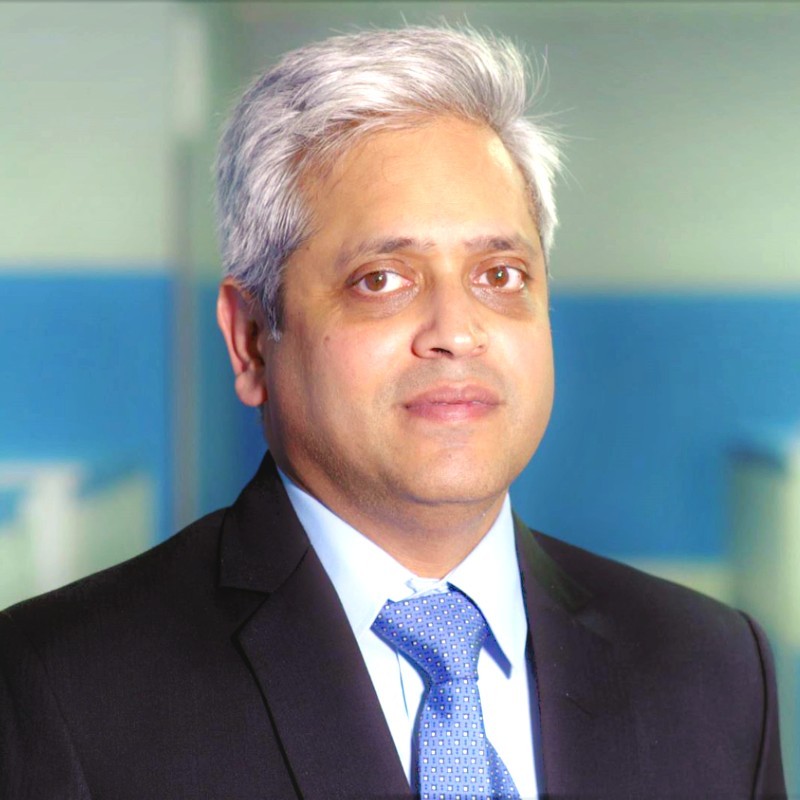
Speaking to this publication, Mr. Saurabh Poddar, Managing Director of the company, noted that SIL is also evaluating opportunities in dynamic and kinematic parts, as well as ambient lighting solutions, through potential technical alliances. While these segments are still emerging in India, they are expected to represent the next wave of product innovation.
The company has recorded strong growth over the past four years, achieving a CAGR of nearly 28–29%. Looking ahead, it is targeting three to four times growth over the next three to four years for which orders has already been received. While short-term challenges due to current geo-political situation such as raw material price fluctuations and supply chain disruptions persist, the long-term outlook remains positive, he observed. Another focus area of SIL is exports. Currently SIL is exporting parts to Jaguar Lande Rover (JLR) – UK, Renault, Nissan and Stellantis to their various plants across the Globe.
Beyond automotive, SIL is also exploring other sectors. It has already entered monitor moulding for computers and is assessing long-term opportunities in aerospace, defence, and specialised white goods. Although these segments involve longer validation cycles, they offer significant future potential.
Capacity Plans
Growth will also be supported by capacity expansion. Over the next three to five years, the company plans to scale up all its existing facilities. This includes building new plants alongside current ones in some locations and consolidating smaller units into larger, more efficient facilities in others. SIL currently operates two plants in Gurugram and one each in Ranipet, near Vellore (Tamil Nadu), and Chakan (Pune). Expansion is underway across all sites, along with plans for a new facility under its joint venture, Sellowrap EPP Private Limited.
The Genesis
Operating in the B2B space and offering both adhesive and non-adhesive processed components, the company focuses on delivering quality, cost efficiency, and maximum customer value. Founded in the mid-1980s by Mr. Sushil Kumar Poddar, SIL began as a small partnership in Gurugram, working closely with automotive players such as Maruti and HVAC companies like Subros and Sanden Vikas.
Over four decades, it has evolved from a modest operation into a listed SME entity, transitioning from a partnership to a private limited company and eventually going public. From a single facility, SIL has expanded to four plants across Pune and Chennai.
Product Journey
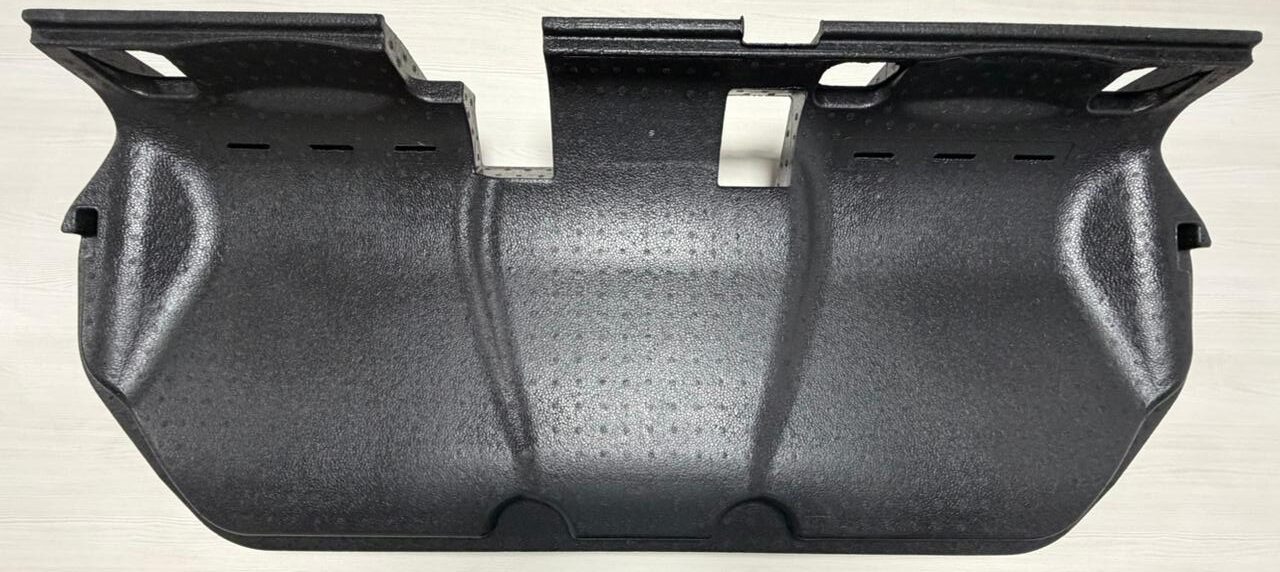
Initially focused on foam conversion for four-wheeler OEMs, SIL has significantly diversified its portfolio. Today, it operates across five to six product categories, including foam conversion, water deflector films, and plastic injection moulding for interior and exterior components.
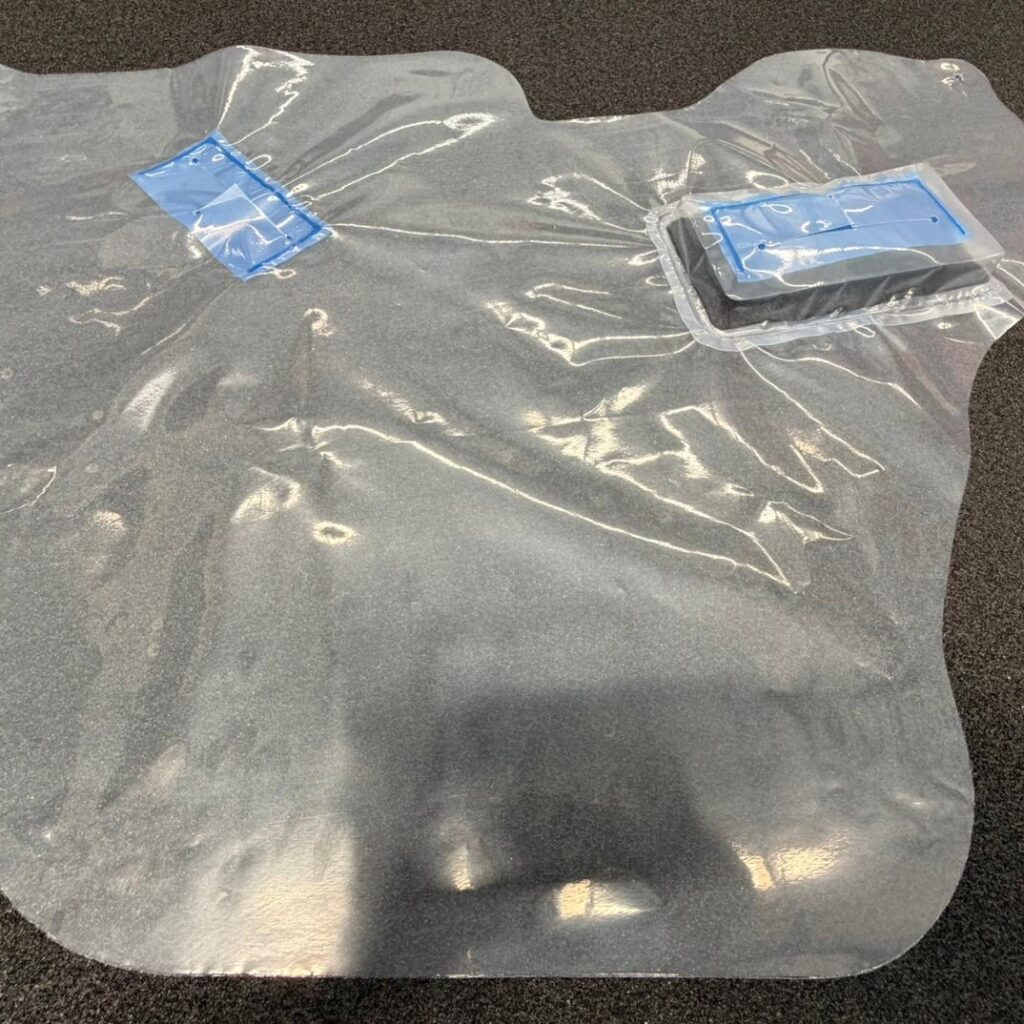
One of its strongest segments—water deflector films—commands a dominant market share of 60–70%. While the company manufactures a wide range of components, it deliberately avoids very large parts such as instrument panels or bumpers. Instead, it focuses on small to mid-sized components where it can add value through design, materials, and integration.
SIL is also transitioning from a “build-to-print” supplier to a Full Service Supplier (FSS), taking on greater responsibility in product development and value creation.
R&D Focus
Research and development has become central to the company’s growth strategy. With in-house design capabilities and a strong design base in Chennai, SIL continuously works on new materials, processes, and product innovations, particularly in lightweighting and recyclability.
This is an ongoing effort, supported by tracking global trends, participating in international exhibitions, and maintaining close engagement with OEMs. As Mr. Poddar noted, innovation in today’s automotive landscape is inherently collaborative.
Material Shift
With the industry moving towards electrification and stricter sustainability norms, material innovation is gaining importance. SIL is actively working with recycled materials and circular economy principles. However, challenges persist, particularly as recycled materials are currently more expensive than virgin alternatives, slowing adoption in a cost-sensitive market like India.
Material changes undergo rigorous validation involving OEMs and suppliers, following a collaborative approach to ensure performance, safety, and cost efficiency.
Product Evolution
The evolution of SIL’s water deflector product illustrates its innovation journey. What began as a simple plastic film has progressed to include welded pockets, forming processes, and advanced materials such as irradiation cross-linked polyethylene (IXPE) foam combined with butyl layers.
With the rise of electric vehicles, where major noise comes through door, the demand for enhanced door noise insulation has increased, making these products even more relevant.
Integrated Approach
A key strategic focus for SIL is increasing its “content per vehicle.” The company is shifting from supplying individual components to delivering integrated assemblies that combine plastic, foam, rubber, and felt into a single unit.
This approach reduces complexity for OEMs, shortens assembly time, and ensures a single point of accountability. While OEMs already adopt such strategies where feasible, SIL aims to capture a larger share of this integrated value chain.
At the same time, new challenges are emerging. Cybersecurity is becoming increasingly critical—not only in vehicles but also in manufacturing systems. As operations become more digital, the risks associated with system vulnerabilities are rising, underscoring the importance of digital resilience.
The Road Ahead
From a small foam converter to a multi-product, multi-location automotive supplier to all major OEM’s in India and around the world, SIL’s four decades journey reflects steady and thoughtful growth. Rather than chasing scale indiscriminately, the company has built capabilities step by step. As the automotive industry continues to evolve—with electrification, new materials, and integrated systems—SIL appears well-positioned to grow alongside it, quietly but purposefully.


