
By Arun Rao
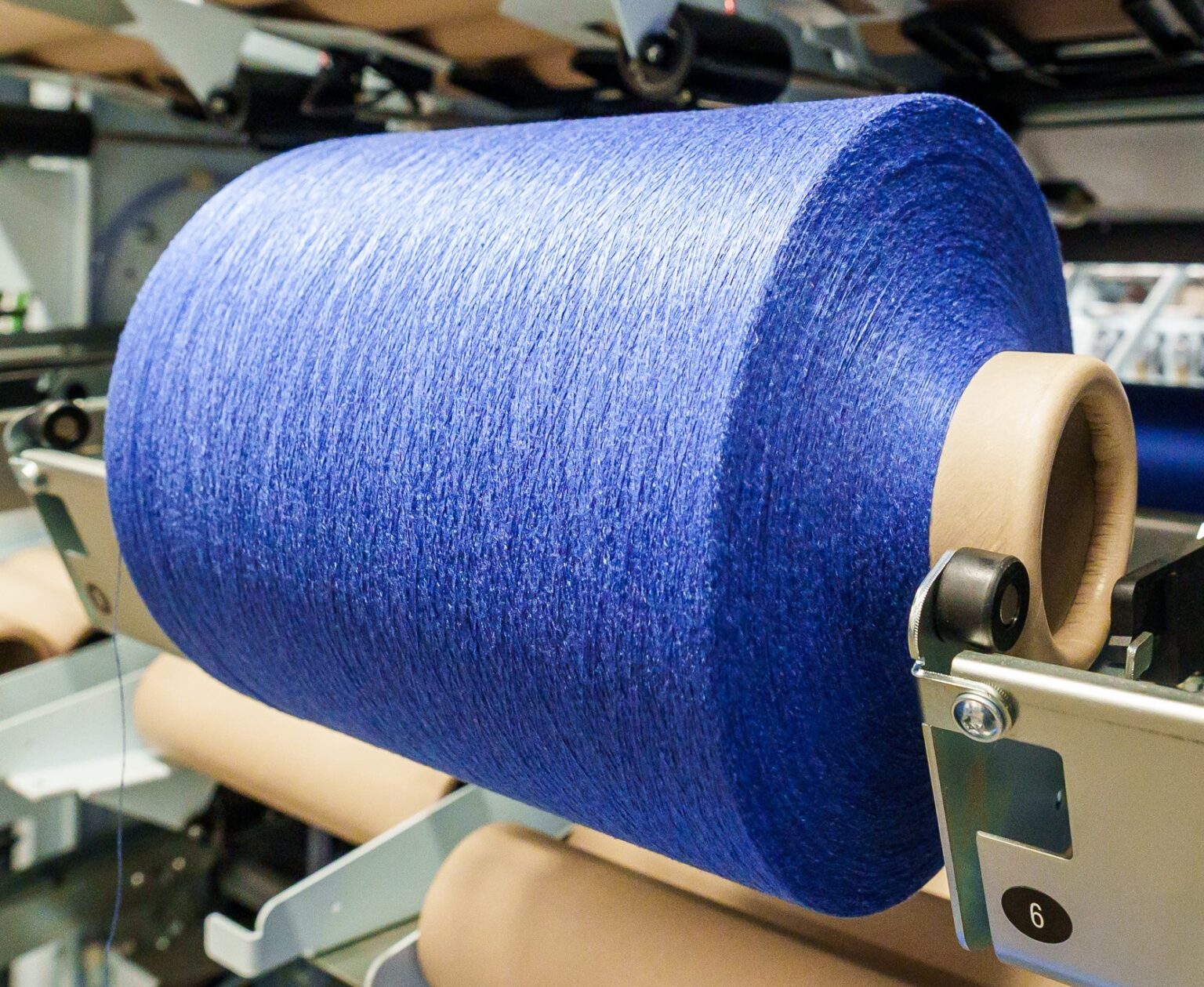
Surat based manufacturer of recycled polyester staple fibres (rPSF), Credence Ecofibres Pvt Ltd is able to supply rPSF of the highest quality parameters since it produces the fibres from the latest technology available in the market and is also able to provide larger size batches of fibre.

Latest Technology Delivers Virgin-Grade Tenacity
“Ours is a latest technology plant so the quality parameters of our fibre will lead to better evenness of the yarn and so the Imperfection Index (IPI) will be lower. We also offer fibres with high tenacity, which is very close to the tenacity of virgin PSF,” Mr Kanav Arora, Director at Credence Ecofibres Pvt Ltd told The Textile Magazine.
From Trading to Manufacturing: A 21-Year Textile Journey
Mr Kanav Arora’s association with the textile industry started 21 years ago and started with trading of textiles and then he forayed into weaving and embroidery of fabrics. Credence Ecofibres was started in April 2024 and produces around 120 tons per day of recycled fibres, which is supplied to spinning mills and nonwoven fabric manufacturers across India and has around 500 workers working in its recycled fibre plant.
High Tenacity rPSF: Bridging the Virgin-Recycled Gap
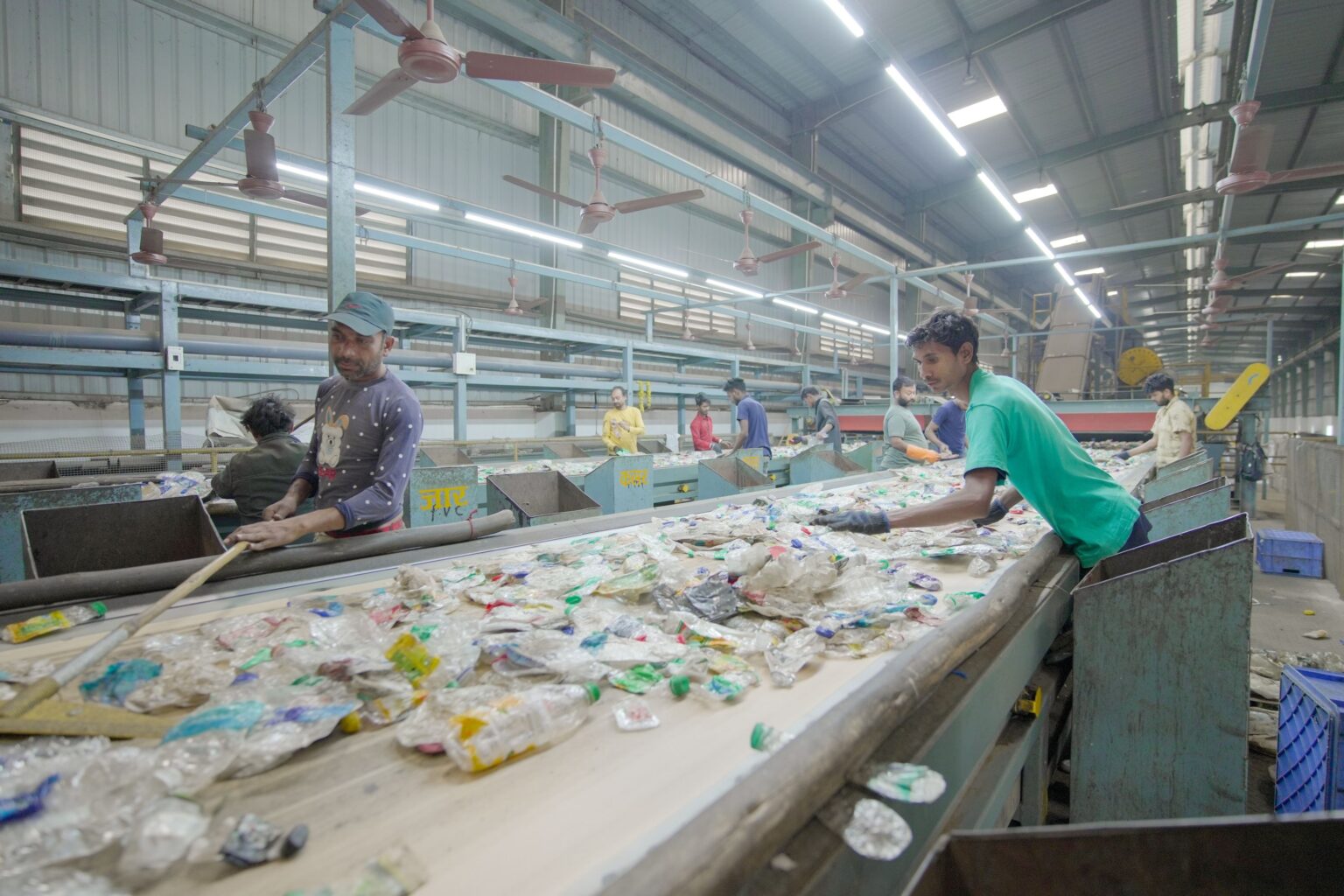
“Our production line is amongst the biggest in India and we produce only fine denier fibres from 1 to 6 deniers, which are of high tenacity. A 1.6 denier virgin PSF would have a tenacity of 6.4 GPD, while our 1.6 denier rPSF has a tenacity of 6.3 GPD which is very close to tenacity of virgin fibre. Since our technology is new and we use high pressure steam to stabilise and heat set the fibre, the CSP of the yarn spun from our fibres too will be higher,” he added.
150-Ton Single Batches with Dyeing Guarantee
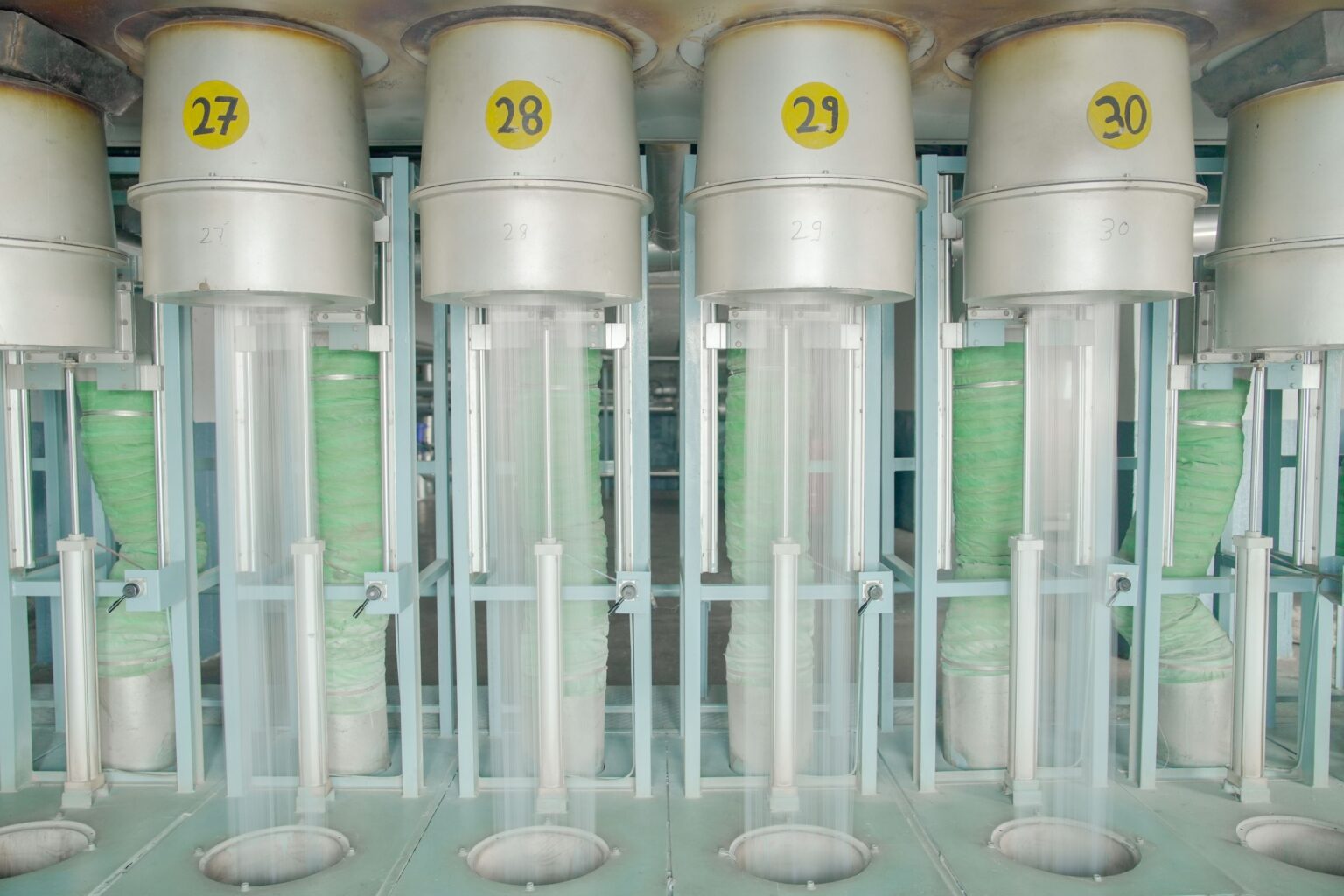
According to Mr Arora, since their production line is amongst the biggest in India, so Credence is able to supply a single batch of 150 tons, due to which they are able to giving dyeing guarantee for the whole batch, while others supply in batches of 70-80 tons.
From Wet Wipes to Suiting: Diverse Application Portfolio
Credence Ecofibres supplies its rPSF to the nonwoven fabrics industry where they are used to produce wet wipes. Other applications include producing yarns for carpets, shirting, suiting, and many other textile fabric applications.
Organized Start-ups Transform PET Bottle Collection
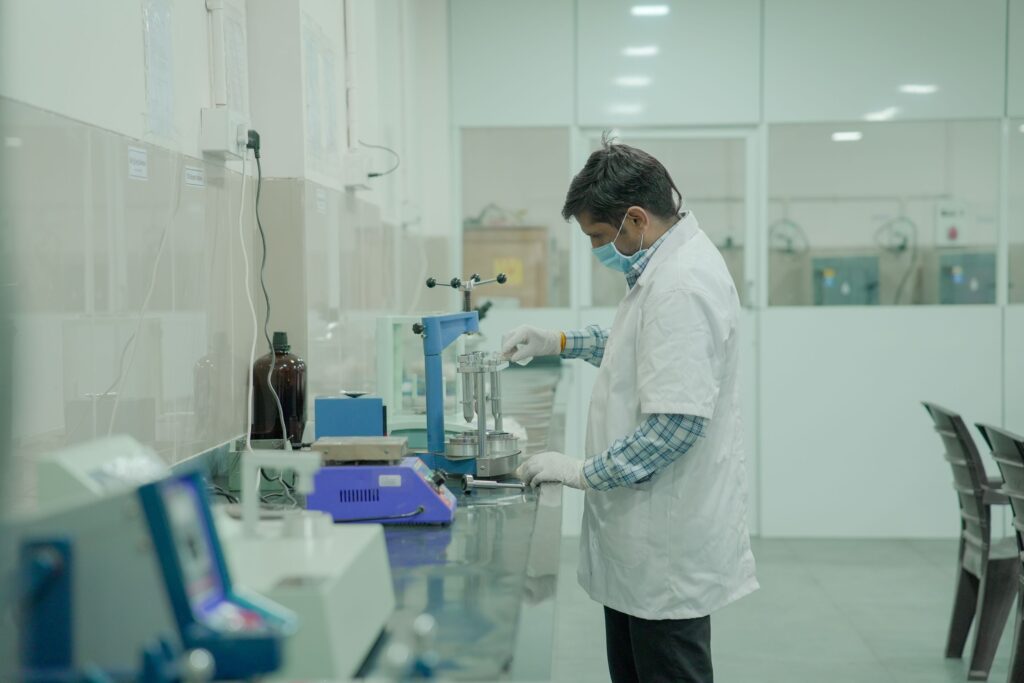
“The post consumer PET bottles collection activity is unorganised and is mainly managed by scrap dealers. However, now organised start-ups have now ventured into supplying post-consumer PET bottles. These start-ups collect the PET bottles from the bailors and then grade the bottles before supplying to us. In earlier times, when we used to buy from the bailors we would have to separate or grade the PET bottles,” Mr Arora stated.
Converting 80% Excess Steam to Electricity
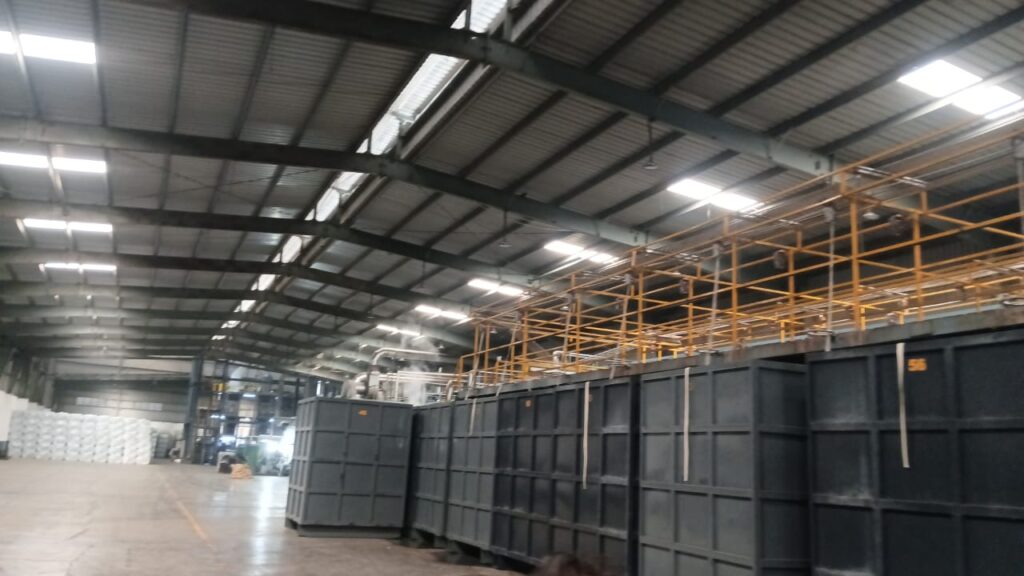
In sustainability initiatives, Credence Ecofibre has installed turbines to reuse the steam that is generated and convert it to electricity. “We require high pressure steam for which the boiler too has to be run at high pressure. However the requirement of the high pressure steam is only 20% of the steam that we produce. And so the rest of the 80% steam is fed into the turbine which reduces the steam pressure and then generates electricity. Our boiler plant is completely run on the electricity produced by the turbines. We are also planning to install a 7 MW solar project, which will meet 60% of our electricity requirements,” he observed.
Comprehensive Certifications: From ISO to Ocean Bound Plastic
The company has bagged an array of impressive compliance certificates like ISO 14001, ISO 45000, Oeko-Tex, ZEDEX, META, Ocean Bound Plastic, GRS, RCS, (please add if there are more compliance certificates). The company began exports of its fibres from November 2025 with the first consignment headed to Bangladesh. The company is also planning to target the spunlace nonwovens market in countries of the European Union.
Market Challenges/Future Outlook
Speaking on the future of recycled PSF, Mr Arora further said, “The road ahead is difficult. The post-consumer PET bottles are used in many other applications so there is a shortage in supply and so prices have gone up. This has led to margins getting reducing sharply. The government has also revoked BIS on the recycled fibres and so we expect cheaper imported rPSF to flood the Indian market. The CAGR of post consumer bottles is around 9%. So if this growth rate continues for the next three years and no new recycled fibre capacity is installed, then only the market will stabilise. But we cannot think of expanding in the current circumstances.”