

As the global technical textiles industry undergoes a profound transformation, driven by performance requirements, sustainability imperatives, and application-specific innovation, the Aditya Birla Group (ABG) is emerging as a decisive force shaping this evolution. At Techtextil Frankfurt 2026, the Group presents a cohesive and forward-looking vision through its integrated platform, reinforcing its position as a solutions-driven global partner.

In this interaction, Mr. Kapil Agrawal, Business Head – Textiles, Aditya Birla Group, outlines how integration, material science, and circularity are converging to define the Group’s strategy in technical textiles.
From Material Supplier to Solutions Partner
A cornerstone of ABG’s strategy has been the consolidation of its technical textiles businesses into a unified platform. This move marks a significant transition in how the Group engages with global markets.
Mr. Kapil Agrawal explains, “By unifying Aditya Birla Yarn, Century Enka, Birla Cellulose, and Viscose Filament Yarn under one umbrella, we’ve transitioned from being individual material suppliers to a comprehensive solutions partner for the global technical textiles ecosystem.”
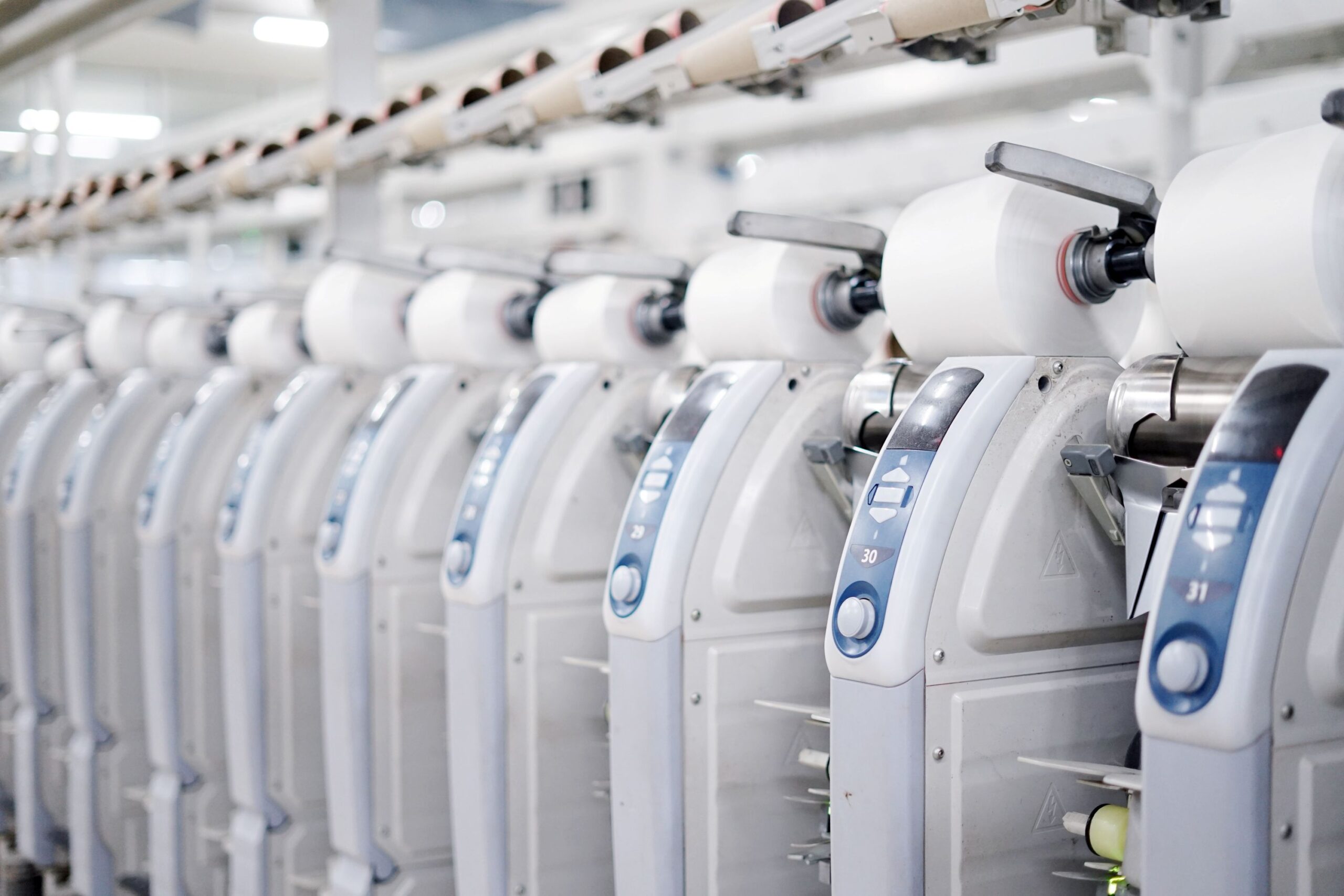
This integrated structure allows ABG to deliver seamless, end-to-end solutions across fibres, spun & filament yarns, and engineered applications. More importantly, it aligns with a clear shift in global sourcing behaviour, where customers increasingly prefer fewer, more capable partners who can ensure scale, reliability, and innovation under one umbrella.
Growth Anchored in High-Performance Segments
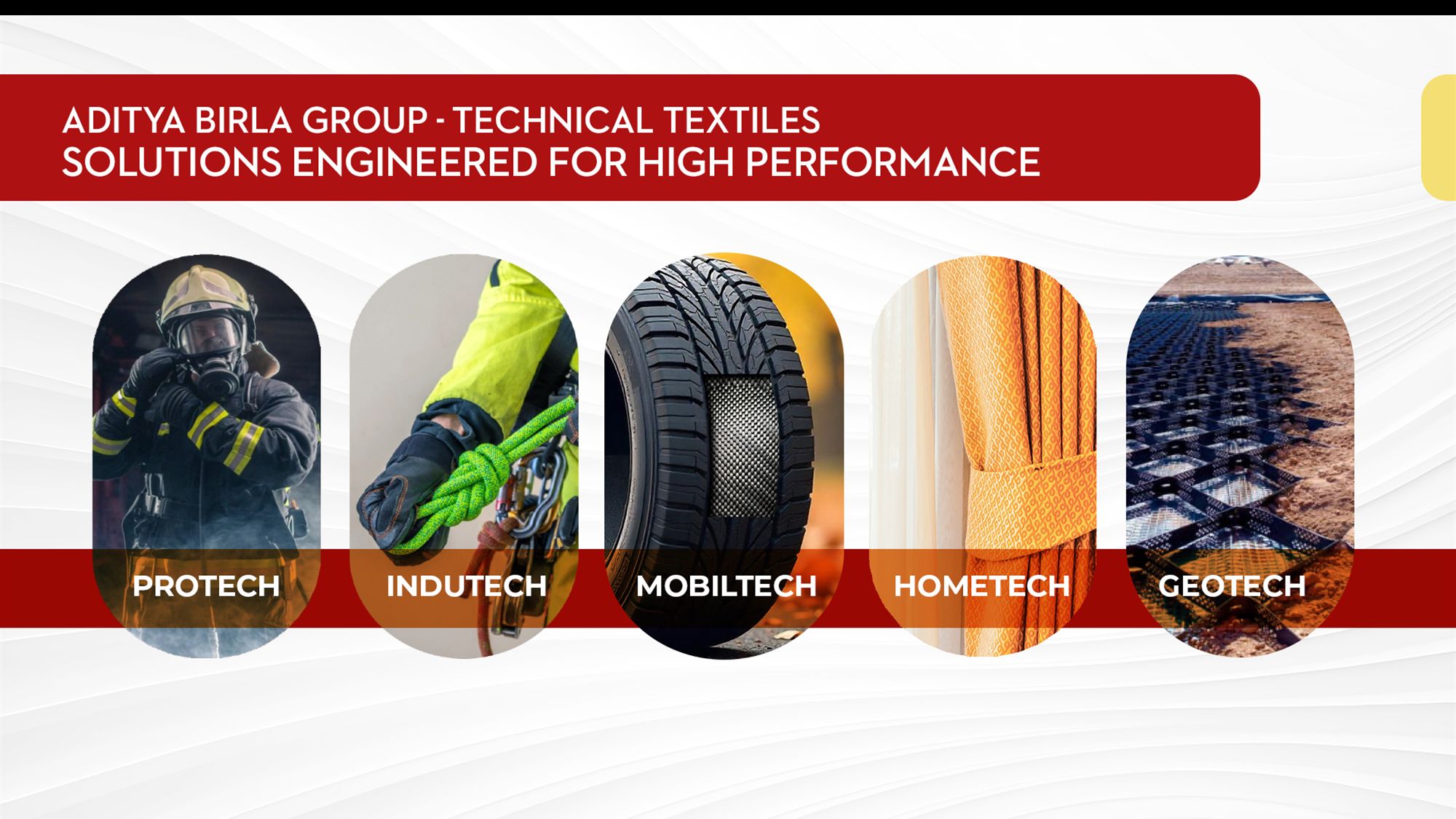
The Group’s growth trajectory in technical textiles is anchored in key segments such as MobilTech, ProTech, InduTech, HomeTech and emerging areas like GeoTech. Each of these segments is being shaped by evolving global priorities, from mobility transformation to stricter safety regulations and infrastructure development.
Reflecting on the mobility segment, Mr. Agrawal notes,
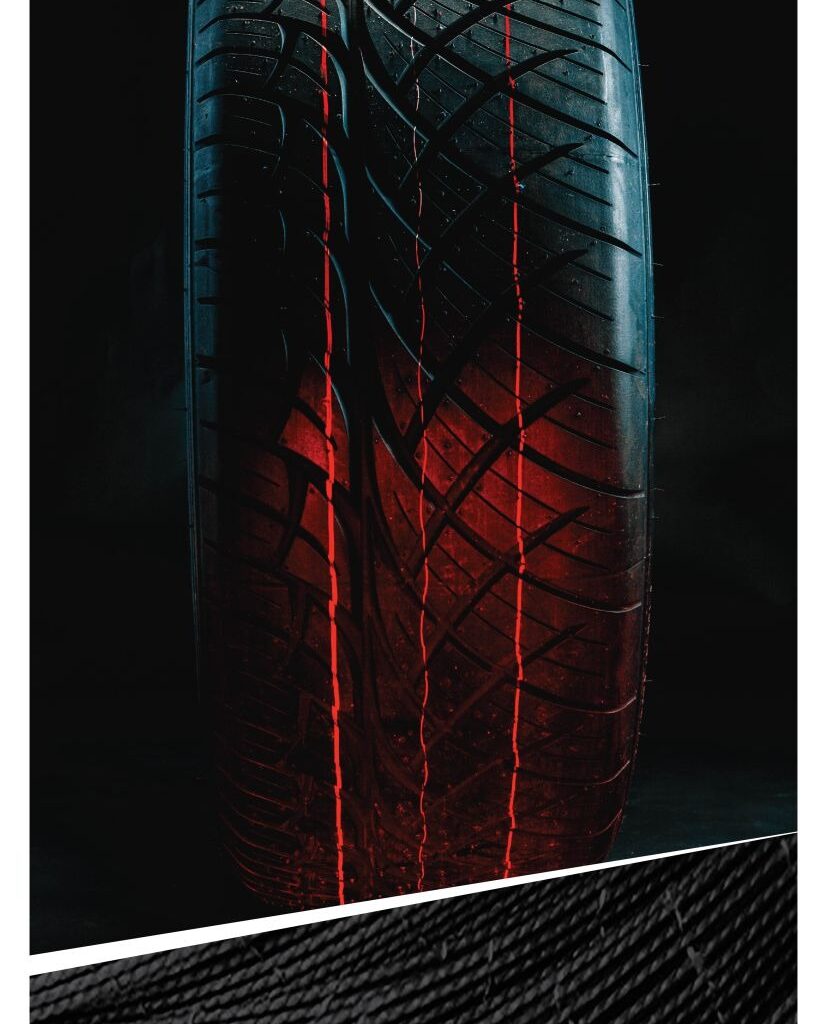
“Increasing focus on light-weighting, safety, durability, and lifecycle efficiency is driving demand for advanced textile solutions across automotive and transport applications.”
This has translated into a strong portfolio of high-tenacity yarns and tyre cord fabrics, engineered for fatigue resistance and dimensional stability, as well as solutions for automotive interiors and critical functional components.
In parallel, the protective textiles segment is witnessing a structural shift towards higher performance standards.
“Customers are increasingly shifting away from surface-treated solutions toward inherently flame & heat-resistant materials that deliver long-term protection and consistent performance,” he emphasises.
This transition is particularly relevant in sectors such as defence, firefighting, and industrial safety, where reliability under extreme conditions is non-negotiable.
Material Innovation as a Strategic Differentiator
At the core of ABG’s technical textiles strategy lies a deep commitment to material science and innovation. The Group’s approach is not to treat performance and sustainability as trade-offs, but to integrate them into scalable, commercially viable solutions.
Mr. Agrawal underscores this philosophy, stating, “We approach growth by combining material science, sustainability, and real-world application needs to create solutions that customers can rely on globally.”
This is reflected in innovations such as inherently flame-retardant viscose fibres, advanced spun yarn blends incorporating high-performance fibres, and fully recycled nylon tyre cord fabrics that deliver the same performance benchmarks as conventional materials. These developments demonstrate that circularity and high performance can coexist without compromise.
Circularity as a Core Strategic Pillar
Sustainability, particularly circularity, is embedded across ABG’s technical textiles ecosystem, from raw material selection to manufacturing processes and product design.
“Circularity is not a parallel initiative for us — it is a strategic enabler embedded holistically across material innovation, product design, manufacturing, and end-of-life thinking,” Mr. Agrawal explains.
Through initiatives such as recycled fibre platforms, renewable energy adoption, and resource-efficient manufacturing, the Group is aligning itself with the growing global demand for traceable and environmentally responsible materials. This shift is increasingly influencing sourcing decisions, with customers prioritising partners who can offer both sustainability and consistency at scale.
India: A High-Potential Growth Frontier
While ABG continues to strengthen its global footprint, India is emerging as a significant opportunity in the technical textiles space. The relatively low penetration of technical textiles in the domestic market, combined with rising awareness and regulatory alignment, presents strong long-term growth potential.
Mr. Agrawal observes, “India’s technical textiles penetration remains relatively low across several application areas, which presents a clear and long-term opportunity as awareness, standards, and demand continue to rise.”
This growth is being supported by infrastructure expansion, defence modernisation, and initiatives such as the National Technical Textiles Mission. ABG’s strategy is to leverage its global capabilities to serve both domestic and international markets, positioning India as a key manufacturing and innovation hub.
Collaboration Driving Value Creation
A defining strength of ABG’s unified platform is its ability to foster collaboration across the value chain. In technical textiles, performance is rarely the result of a single material or process—it is achieved through integrated expertise.
As Mr. Agrawal puts it, “Performance in technical textiles is rarely driven by a single material—it is the result of consolidated expertise across the value chain.”
This collaborative approach enables the Group to co-develop solutions with customers, optimise performance outcomes, and accelerate development cycles. It also reinforces accountability across innovation, quality, and sustainability parameters.
Aditya Birla Group’s integrated approach to technical textiles—anchored in scale, innovation, reliability and sustainability—positions it as a global leader in a rapidly evolving industry. By combining advanced material science with circularity and value-chain collaboration, the Group is not only responding to current market demands but actively shaping the future of technical textiles.
As Mr. Kapil Agrawal succinctly concludes, “Our vision is to be a globally influential, innovation-led partner that sets new benchmarks for performance, responsibility, and innovation in technical textiles.”


