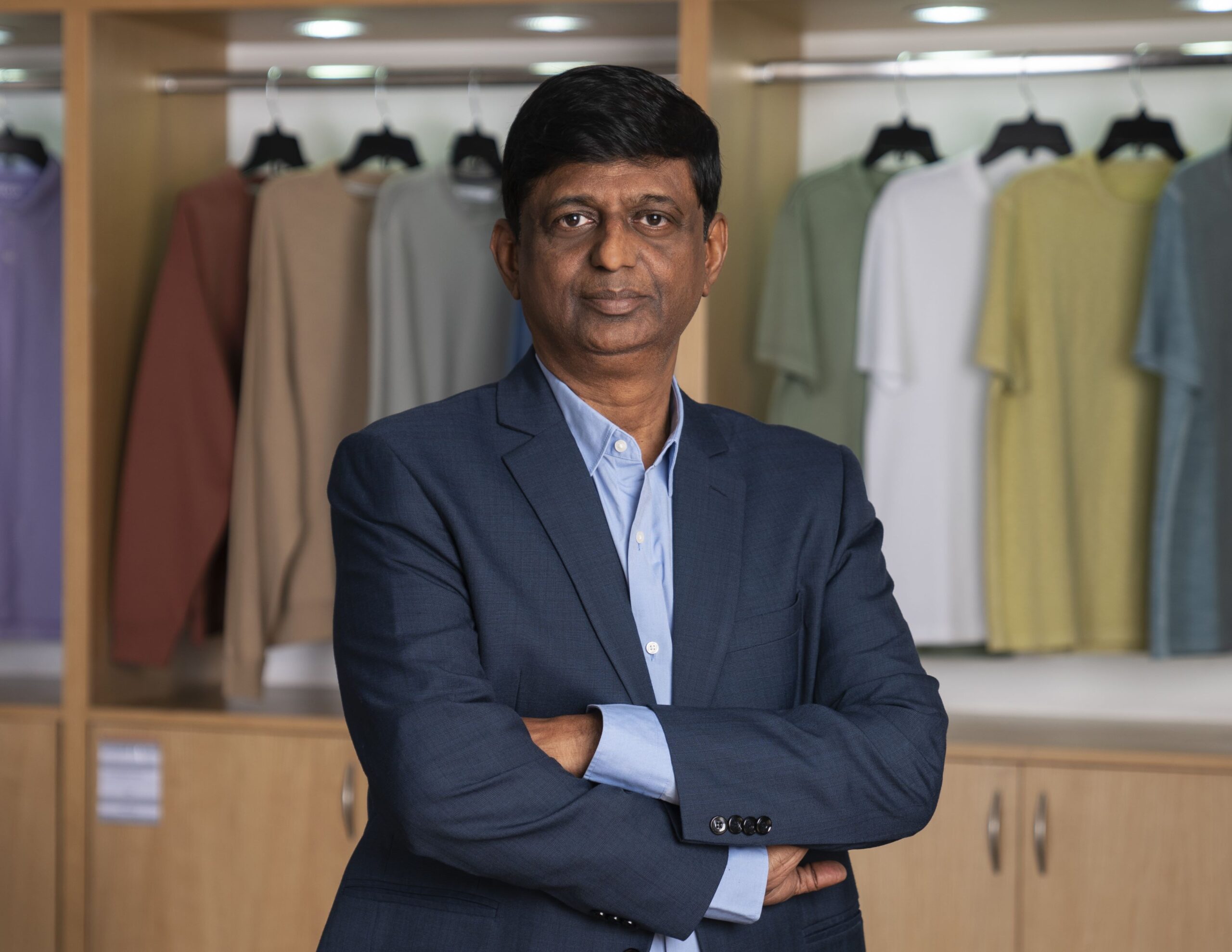

By K. Gopalakrishnan
Over the past four decades, Reliance Industries Limited (RIL) has played a defining role in shaping the polyester ecosystem in India and establishing the country as a major global player in man-made fibres. Today, as the textile industry enters a new phase driven by sustainability, performance materials, and circular innovation, the role of polyester is evolving far beyond its traditional identity as a commodity fibre.
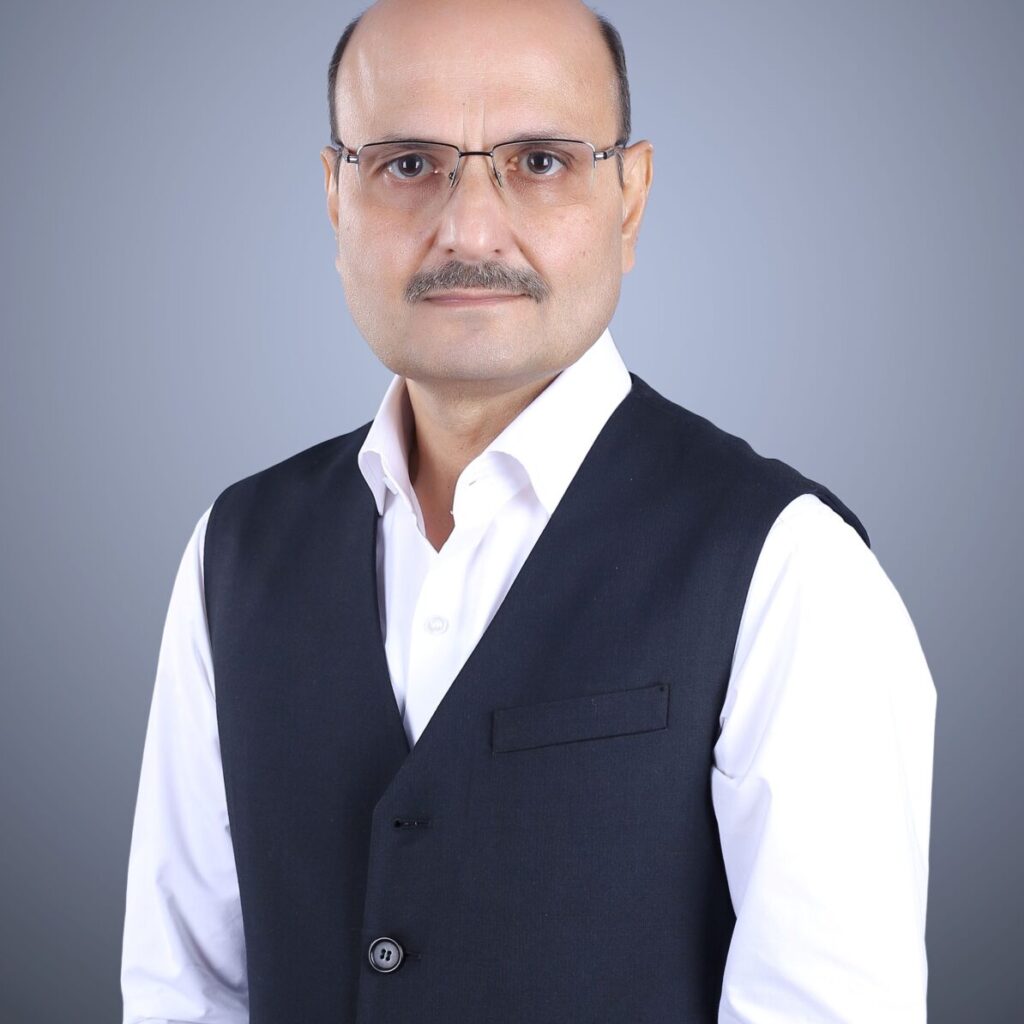
Under the leadership of Mr. Hemant D. Sharma, President – Polyester Business, Reliance Industries Limited, the company is positioning polyester as a technology-driven, sustainability-led materials platform that can meet the evolving needs of global brands, consumers, and value-chain partners. With a polyester capacity of around 4 million tonnes per annum across 12 manufacturing locations, Reliance ranks among the world’s leading producers of Polyester Staple Fibre and Polyester Filament Yarn, supported by vertically integrated operations, advanced automation, and strong R&D capabilities.
Mr. Sharma believes that the future of polyester lies in high-performance specialty fibres, circular material innovation, and deeper collaboration across the textile value chain. Through initiatives such as the R|Elan™ portfolio of specialty fibres, the Hub Excellence Program, and the Circular Design Challenge, Reliance is enabling the industry to translate advanced fibre technologies into market-ready fabrics and products.
At the same time, sustainability is increasingly embedded into the company’s strategy, with investments in recycled polyester, biodegradable materials, and circular design initiatives aimed at reducing environmental impact while maintaining performance and affordability. In this interaction with The Textile Magazine, Mr. Sharma shares his perspective on how Reliance is transforming polyester from a traditional raw material into a global platform for innovation, circularity, and next-generation textile solutions.
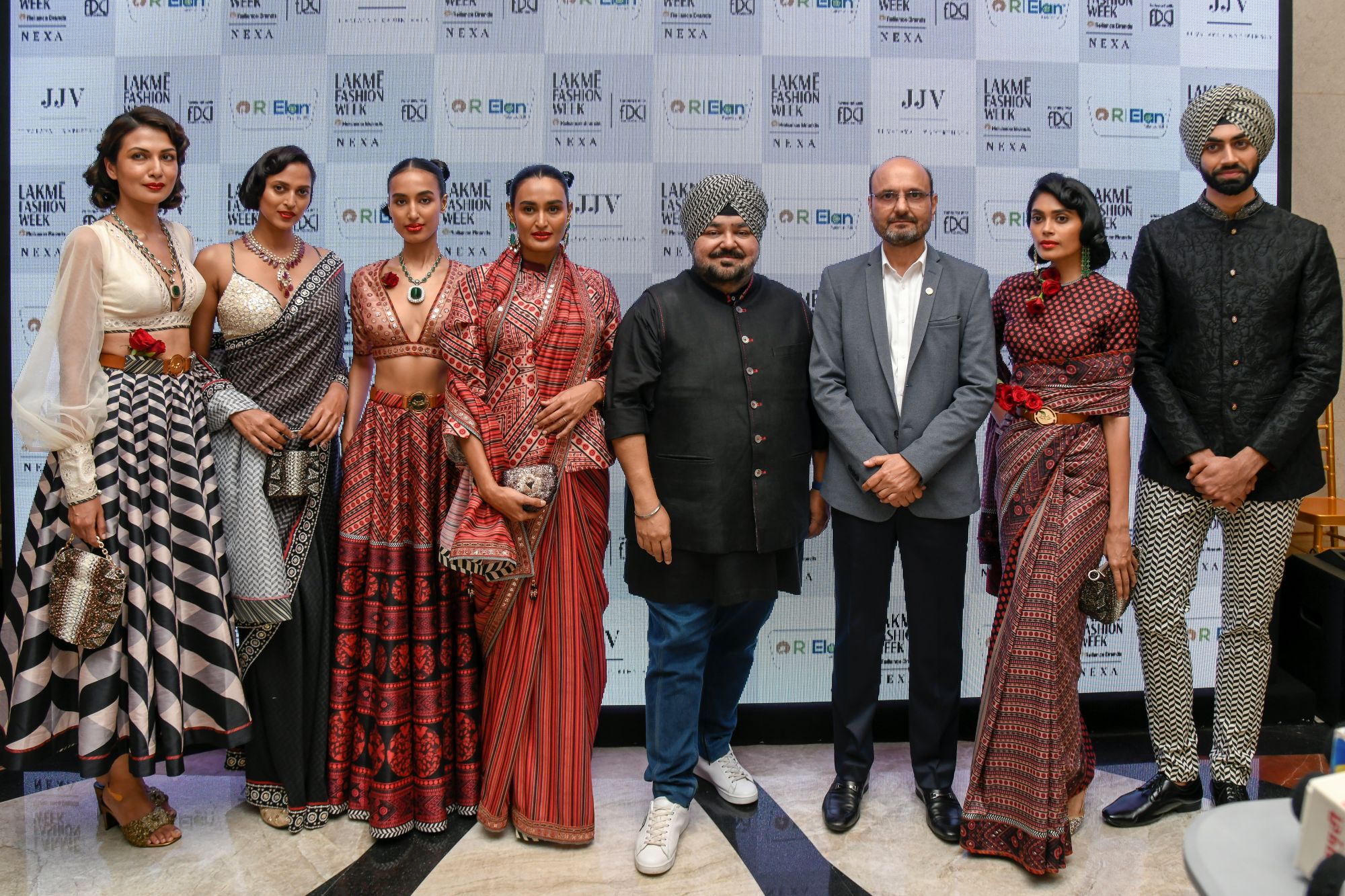
making sustainability aspirational and mainstream
Strategic Vision & Leadership
TM : Reliance Industries is a global benchmark in polyester manufacturing. How do you see role of polyester business evolving within RIL’s long-term vision for sustainable, inclusive growth?
Hemant Sharma : The polyester business within RIL is evolving from a commodity manufacturing platform into a technology-driven, sustainability-focused, and globally competitive solutions ecosystem, aligned with RIL’s core “We Care” philosophy towards customers, society and environment.
Committed to serving India and the World: Fully integrated manufacturing setup powered by advanced technology, full automation, and strong innovation capabilities –
-Ranked 4th globally in Polyester Staple Fibre and 6th in Polyester Filament Yarn with a total Polyester capacity of ~4.0 MMT across 12 manufacturing locations.
-Integrated with feedstock for supply security and operation at ~100% utilization levels
-State-of-the-art technology and hardware to support one of the largest value-added product portfolios globally
-End-to-end automation in production, handling, and packing for no-touch product packing and process efficiency
-Indigenously developed catalysts, spin finish and hardware modifications for creating customized innovations for specialty applications
-Product mix tailored to meet evolving consumer requirements in India and the world
Value-creation growth: Delivering affordable, high-performance specialty polyesters supported by strong collaboration across the textile value chain –
-Specialty polyester fibres and yarns with best-in-class performance accessible to value chain players at affordable prices
– Extensive collaboration with innovative players across downstream value chains – spinning, weaving, knitting, processing, garmenting – to translate specialty raw material into in-trend, innovative fabrics for showcasing to brands
-Close engagement with spinners, weavers and knitters to provide process know-how and technical guidance
-Deep connect with major brands and retailers to translate consumer requirements into market-ready programs
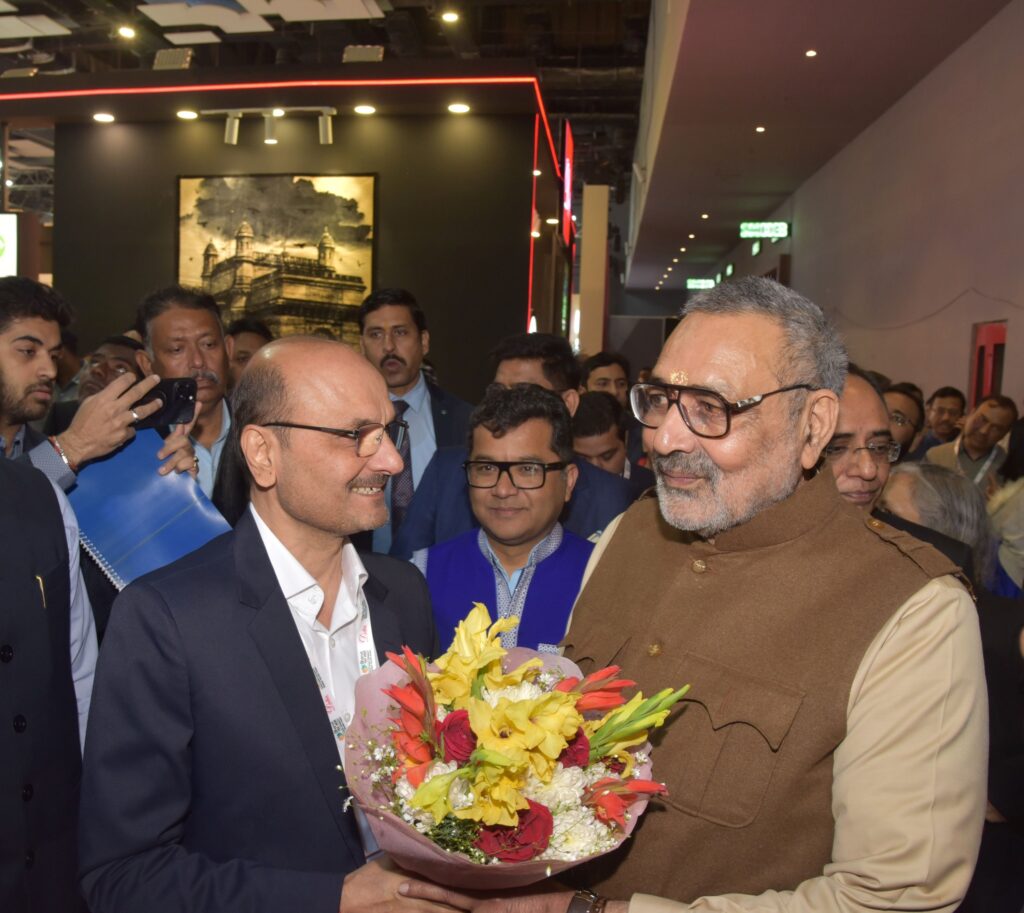
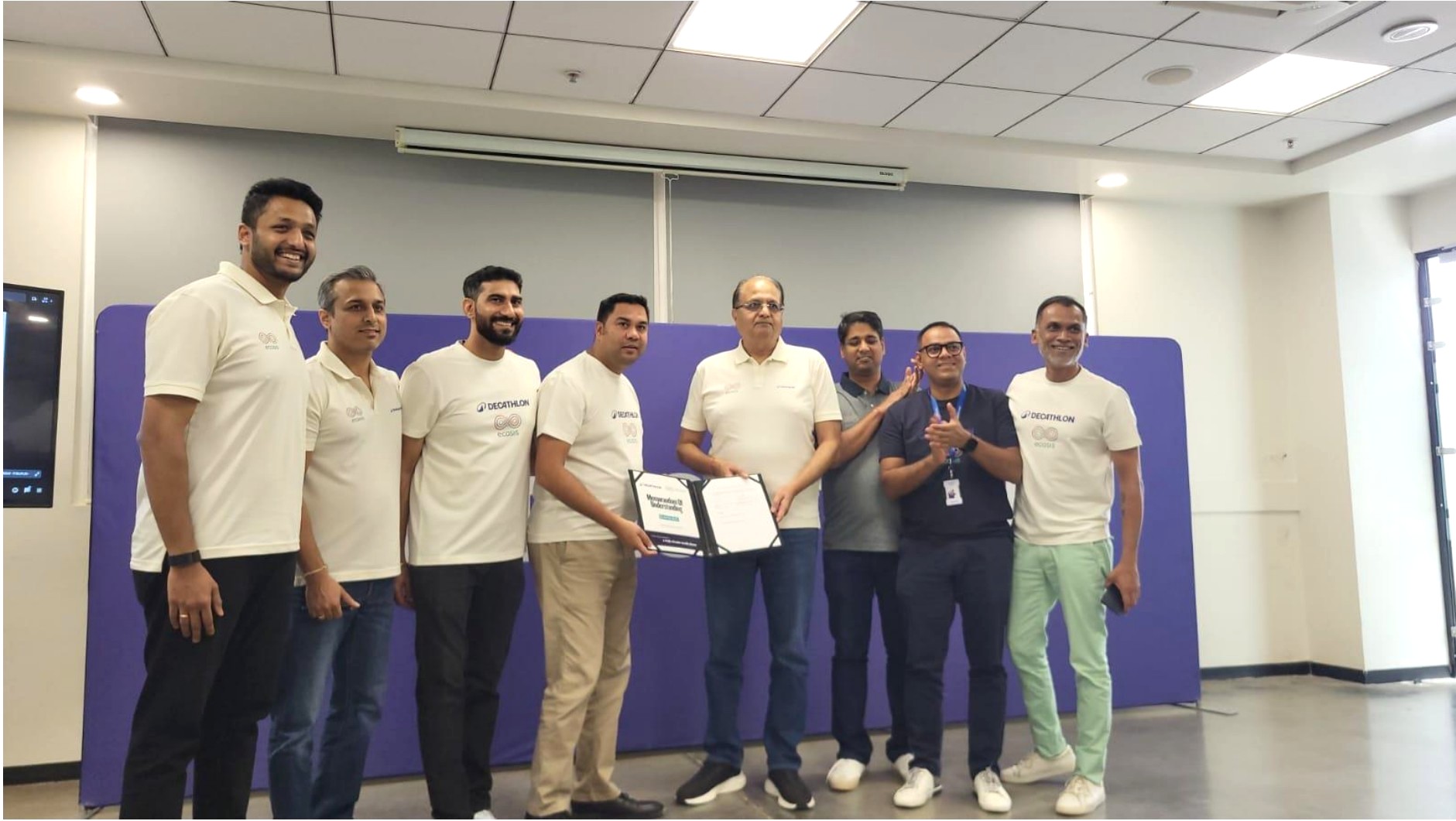
Shri. Pabitra Margherita the Minister of State for Textiles (Centre)
Moving Beyond Commodity Polyester
TM : How has Reliance successfully transformed polyester from a commodity fibre into a high-value, performance-driven solution through innovation and advanced material science?
HM : Reliance has developed a consumer-first approach to understand consumer needs in depth and develop value-driven material platform:
-Dedicated organization to understand evolving end-consumer requirements and translate into product requirements
-Deep understanding of various Textile segments, micro-trends, consumer behaviours
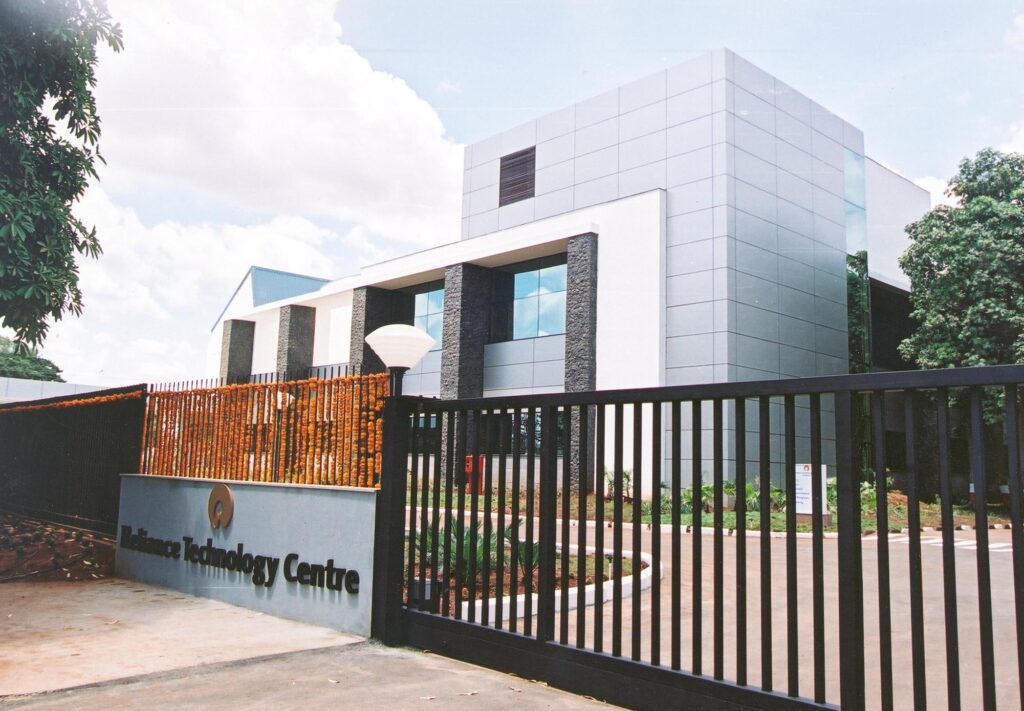
-Reliance Technology Group (RTG): Centre of excellence located in the outskirts of Mumbai, with over 40 scientists and technologists, granted more than 50 patents
-Rapid development-to-commercialization of indigenous, cost-effective, environment-friendly innovations
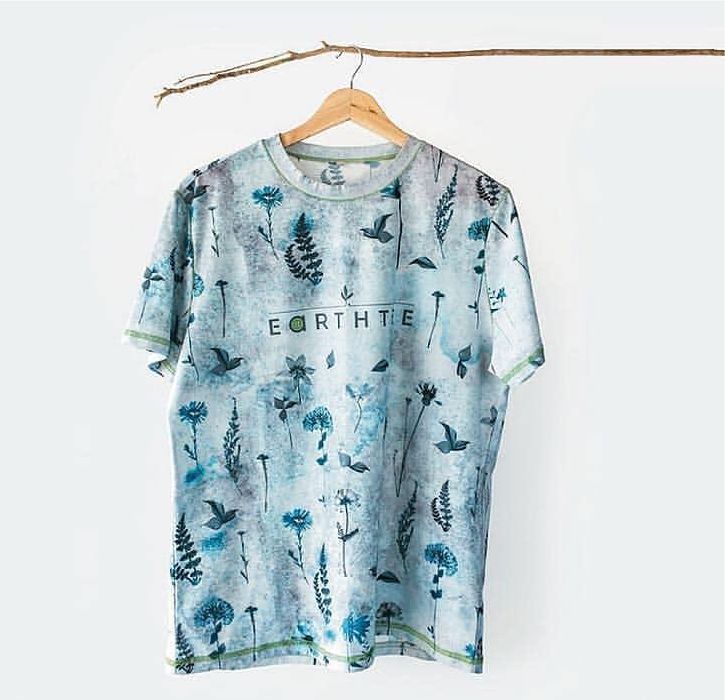
Wide range of performance fibres with in-house developed technologies such as:
-HEXaREL™ Fibrefill: Integrating graphene and Far Infrared (FIR) technology for consistent thermal regulation across extreme temperatures (–10°C to –50°C), UV protection, anti-static and anti-bacterial properties
-Recron® 3s: Advanced reinforcement fibres for industrial & non-textile applications such as roofing, coating, paper, paint and rubber segments
-Kooltex: High-performance fabric to keep consumers cool, dry and comfortable
Through Hub Excellence Program (HEP), a platform of 50+ accredited value chain players, Reliance has been able to translate these technologies into extensive adoption by leading global and Indian brands:
-Every second specialty denim from Levi’s uses R|Elan™ Kooltex,
-One in four Pepe Jeans denim products uses R|Elan™ AllClima
-Decathlon’s black thermals are made with R|Elan™ SuperBlack fibre
-100% of Performax activewear T-shirts use R|Elan™ Kooltex
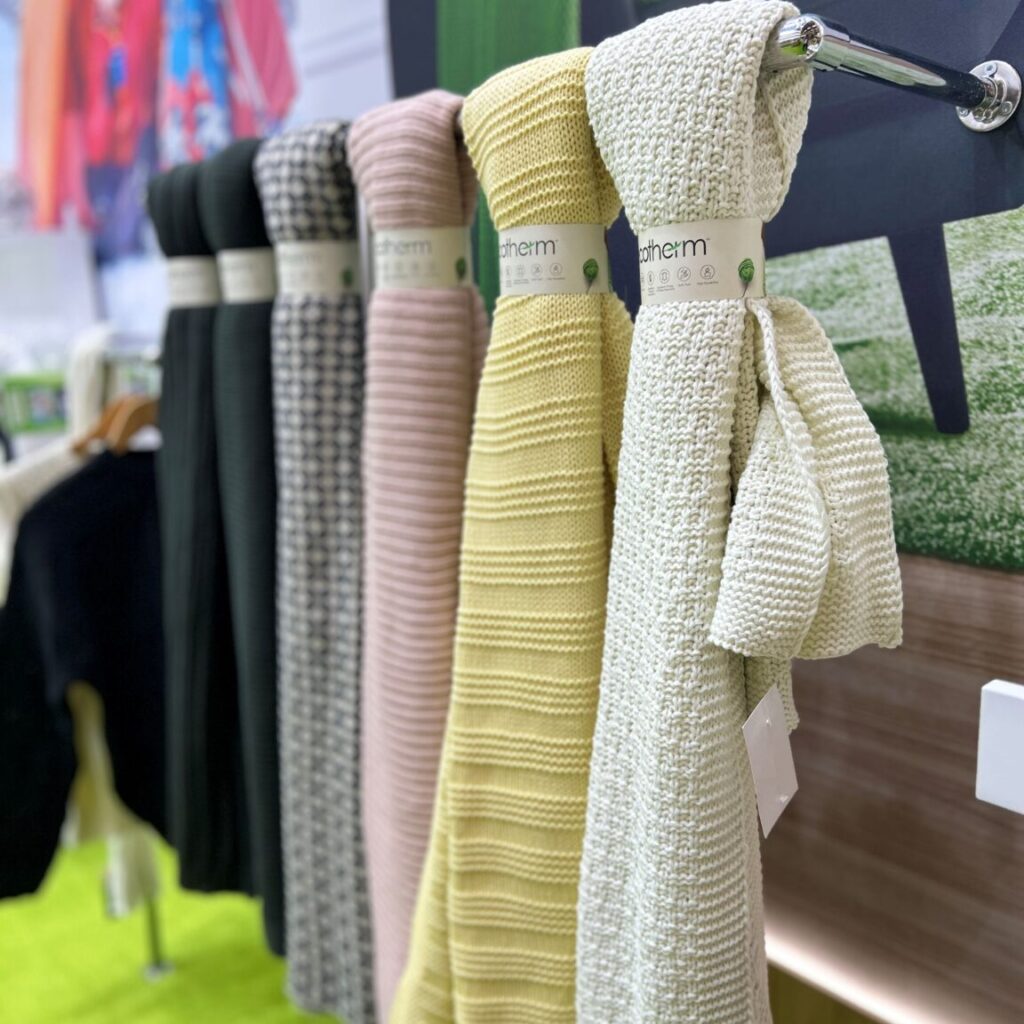
~80% of Yousta sweaters incorporate ecotherm™
Sustainability & Recycled Polyester as Core Strategy
TM : At Reliance, sustainability appears deeply embedded into business strategy. How do you balance environmental responsibility with scalability, performance, and commercial viability? How do you see recycled polyester shaping the future of global textile supply chains?
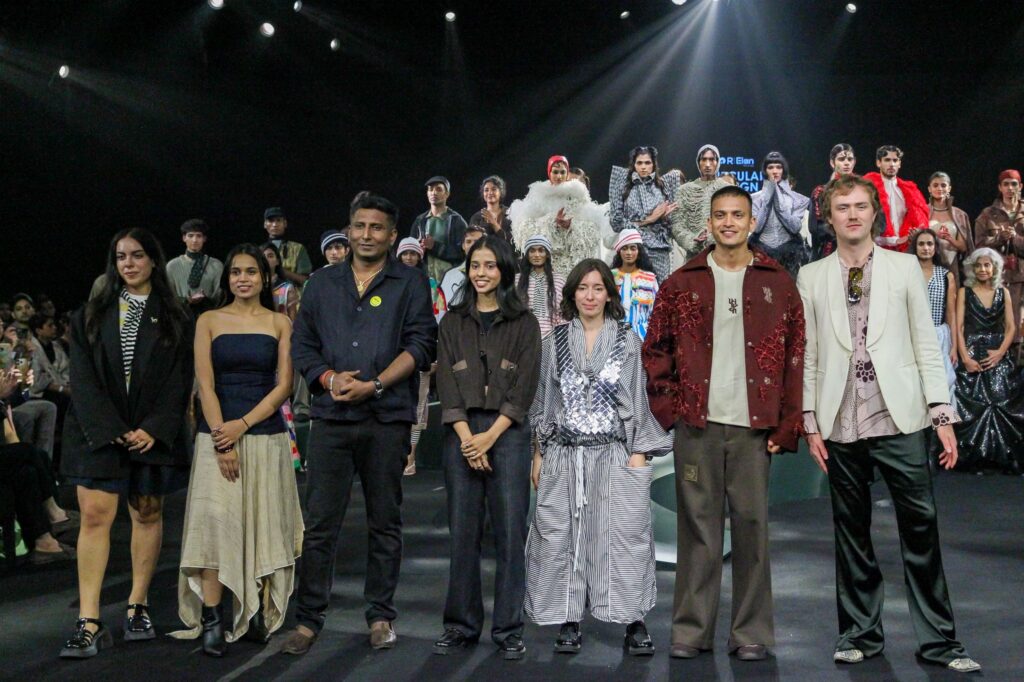
young designers from across the world to present innovations based on circularity
HM : Today, nearly 7% of global fibre consumption comes from recycled sources, with recycled polyester alone contributing about 6%, signalling its importance for the global textile ecosystem. Recognizing the long-term potential of recycled polyester, Reliance Industries invested in recycled polyester capacities over two decades ago:
-Reliance currently has 30 KTA capacity of textile-grade recycled polyester and isalso developing food-grade recycled polyester for packaging applications.
-Our products are certified by global bodies including US FDA, EFSA (European Food Safety Authority), FSSAI and GRS.
-We are supported by a wide network of 160+ bottle collection vendors that annually supply 3 bn post-consumer PET bottles, set to grow to 10 bn bottles in next 2-3 years
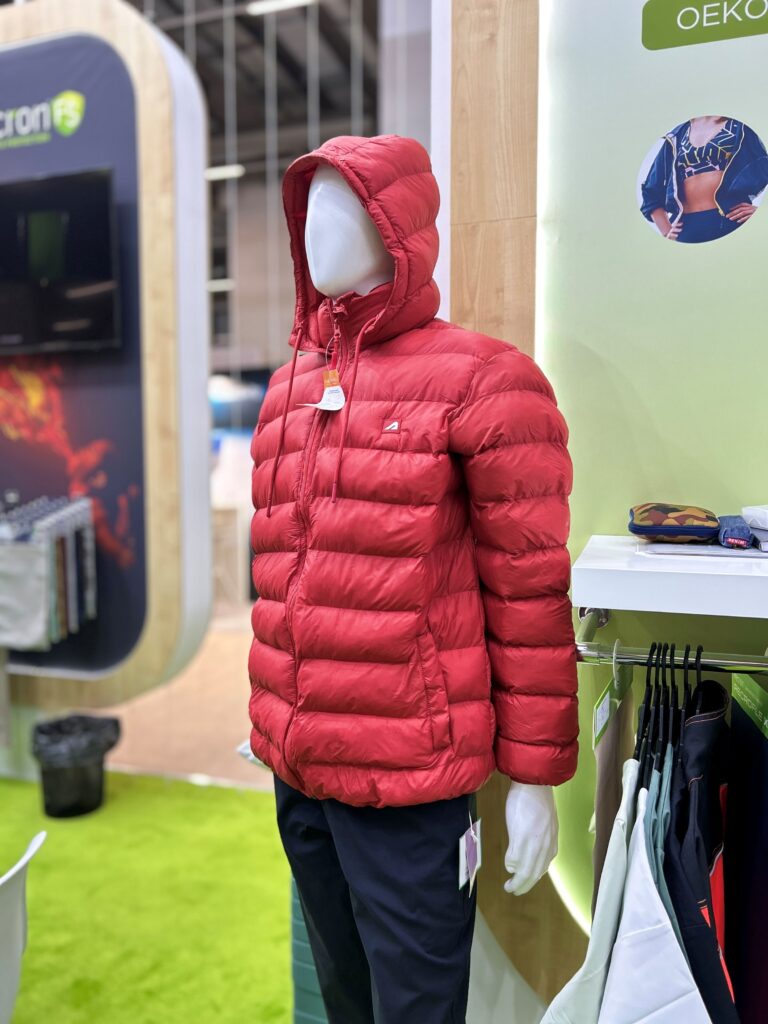
Reliance has consistently aligned its product portfolio to align sustainability goals with scalable, high-performance, commercially viable consumer solutions:
-R|Elan™ GreenGold: Premium recycled fibre for apparel and home textiles, with one of the lowest carbon footprints in the world , accepted at 40+ global and Indian brands
-R|Elan™ SuPer: Multi-functional recycled fibre for enhanced performance and comfort
-ecotherm™: Specialised upcycled fibre ~26% lighter than cotton with premium wool-like hand feel and natural appearance
-r-SHT: Super-high strength fibres for sustainable sewing threads.
-R|Elan™ EcoGold™: Biodegradable fibres engineered to decompose under controlled environmental conditions without compromising durability or comfort during its lifecycle
At Reliance, we believe that consumers drive innovations in sustainability and continue to undertake initiatives to empower consumers to make the right “green” choices.
-We have worked on multiple digital and physical interventions aided by extensive outreach through R|Elan™ social media handles ~ 500 million consumer impressions.
-We also actively participate in prominent events such as Lakmé Fashion Week to make sustainability aspirational and mainstream for Indian consumers
-Reliance is the founder of R|Elan™ Circular Design Challenge (CDC) in partnership with the United Nations in India – this initiative is a unique platform that recognizes and rewards budding young designers with bright sustainable ideas
Circular Design & Industry Collaboration
TM : What was the vision behind the R|Elan™ Circular Design Challenge, and how important are collaborations with designers, startups, and institutions in driving circular fashion at scale?
HM : The R|Elan™ Circular Design Challenge (CDC) was envisioned as a global platform for mainstream circularity through design-led innovation and embedded sustainability at the product development stage, rather than retrofit it later. It bridges advanced material science with consumer-facing fashion to create commercially viable circular solutions.
The first edition of CDC was organized by R|Elan™ in partnership with United Nations in India and Lakmé Fashion Week in 2019. Originally envisaged as a platform for budding designers in India, CDC has since grown to become the pre-eminent global event of its kind with editions across EU, UK and APAC since 2023.
The current CDC Season 8 offers a multi-fold opportunity for designers to scale their sustainable vision:
-Bespoke mentorship led by internationally recognised leader in fashion, Orsola De Castro
-Prestigious solo showcase and showroom space at Lakmé Fashion Week
-Monetary award of $18,000+
Over multiple editions, this initiative has attracted more than 1,500 applications from around the world. Of these, over 40 ideas have reached the finals, receiving critical mentorship and guidance for fast-track concept-to-commercialization, from some of the most influential names in the global fashion industry. Some of the innovative ideas that were nurtured through CDC:
-I Was A Sari: Clothing and accessories re-purposed from discarded saris
-CRCLE: Design capsule made from plant-based leather, reducing carbon emissions up to 80% per cent and water usage by 90%
-Rkive City: Post-consumer repair-to-wear garment collection
CDC demonstrates how industry, the fashion ecosystem, and multilateral institutions such as the UN can collaborate to drive systemic change aligned with the principles of Mission LiFE articulated by the Hon’ble Prime Minister of India.
Translating Innovation Across the Value Chain
TM : How does Reliance work with spinners, weavers, processors, and brands to ensure that advanced fibre and fabric technologies are effectively realised in finished products?
HM : In today’s global marketplace, collaboration across value chain partners is absolutely critical for growth and sustainability. Partnerships between Indian polyester value chain players and Global brands will be a win-win collaboration with benefits such as:
-Accelerated Concept to Market Delivery: Access to global market insights and rapid product development and delivery – Mind-to-Market cycle of <30 days.
-Technology upgradation: Access to global best-in-class technology & ideas improving innovation and bringing economies of scale in domestic value chain.
-Transparency and Traceability: Collaborative efforts can ensure greater supply chain transparency, enhancing trust and sustainability.
One such example is the R|Elan™ Hub Excellence Program (HEP), a strategic initiative by Reliance, to create a strong, global network of high-quality textile value chain partners.
-Primary goal is to create a seamless supply chain, from the raw material (polyester fibres and yarns) to the final fabric
-Designed to provide brands and retailers with solutions for evolving consumer preferences for sustainability and performance using R|Elan™ fabrics
-Other objectives include reduction in lead times, consistent quality, nurturing innovation and addressing the growing demand for specialty fabrics
Success Story so far: Through the HEP program, Reliance has partnered with 50+ accredited, innovative mills worldwide and in India across entire textile ecosystem – spinning, weaving, knitting and processing
This collaboration has resulted in the development of over 500 unique, in-trend fabric innovations, which are actively being showcased to leading brands and retailers.
Through this initiative, R|Elan™ has gained acceptance at 150+ global and domestic brands, demonstrating strong industry confidence in this collaborative model.
Global Markets & Sourcing Shifts
TM : As global brands seek resilient and sustainable sourcing alternatives, how is Reliance positioning India as a preferred global hub for advanced polyester and textile solutions?
HM : The Government of India has set an ambitious vision to scale the Indian textile and apparel industry from $194 Bn to $350 Bn by 2030, including $100 Bn in exports. Achieving this target will require a strong expansion of the Man-Made Fibre (MMF) sector, especially given the limitations in domestic cotton availability.
-India’s cotton–MMF consumption ratio is 40:60, compared to the global ratio of 20:80. With limited scope for expanding cotton cultivation due to rising competition from more remunerative crops, MMF consumption in India is expected to grow faster.
-By 2030, total Indian fibre demand is projected to reach around 20 MMTPA. With cotton supply expected to remainaround 6.5 MMTPA, the required MMF supply is estimated at about 13.5 MMTPA.
-Currently, India’s MMF supply stands at about 8.5 MMTPA, of which around 80% is polyester. This implies a supply gap of nearly 5 MMTPA, which will need to be met primarily through polyester capacity expansion, through new investments of ~$10-15 Bn
-While India has already established itself as a global sourcing hub for cotton-based textiles and apparel, the next phase of growth will require the industry to additionally position India as a leading sourcing destination for Polyester-based textiles,
Reliance has been at the forefront of India’s MMF revolution for the last four decades and working to position India as the preferred global sourcing hub for advanced synthetic textiles:
-Reliance has one of the world’s largest Polyester capacities of 4.0 MMTPA and this has been the bedrock consistently for rapid development of value chains in India,
-Reliance’s mantra of vertical integration, both upstream with feedstock and downstream with textiles, serves as perfect risk mitigation substrate for global brand programs in an increasingly volatile global environment
-With its strong value-chain collaboration platform, Reliance has been actively strengthening downstream linkages and engaging directly with brands. For instance, last year, 200+ Mn garments using R|Elan™ specialty polyesters were retailed last year across various Indian and global brands, highlighting the scale of market adoption.
Reliance will continue its initiatives to ensure that advanced feedstock options are available locally for Indian textile industry for catering to global brand requirements.
Policy, Ecosystem & Skills
TM : What role do policy support, ecosystem collaboration, and talent development play in scaling sustainable textile innovation and maintaining global competitiveness?
HM : India’s textile and apparel sector contributes ~2.3% to GDP, 13% to industrial production, and 12% to exports, with exports nearing $ 40 Bn annually. Sustainable scale-up of textiles innovations requires strong policy alignment, ecosystem collaboration, and skilled human capital working together to create a competitive and future-ready Indian textile industry.
Policy Support: In addition to Make in India, Govt. of India has extended support initiative through focussed schemes such as:
-Production Linked Incentive Scheme (PLI) for textiles with an outlay of Rs 10,683 Crore, aimed at boosting MMF fabrics, technical textiles, and large-scale manufacturing.
-The PM MITRA scheme to develop 7 mega integrated textile parks to reduce logistics costs and improve value chain integration.
Collaboration: India is the 2nd largest MMF producer and 6th largest textiles exporter globally, yet value capture remains fragmented. Collaborations across textile ecosystem can enable
-Speed to Market: In fragmented supply chains in India, material may cross 5–7 states, travelling 1,500 to 4,000+ km, for Fibre-to-Garment cycle of over 45 – 60 days. Integrated value chains can reduce product development cycles and decrease reaction-time to market demand by 20–30%. This also contribute to cost savings since Logistics typically accounts for 8–12% of garment cost.
-Innovation at Scale: Joint R&D, technology support, and shared infrastructure to enhance downstream capabilities, especially in processing and garmenting
Talent Development: With over 45 million people directly employed and 100+ million indirectly dependent, textiles remain one of India’s largest employment-generating sectors. While government initiatives such as Pradhan Mantri Kaushal Vikas Yojana (PMKVY) and Skill India provide strong support, industry must further accelerate capability building through:
-Industry–Academia Collaboration: Curricula in line with Industry 4.0 and latest certifications
-In-house Upskilling & Reskilling: For automation, AI-enabled quality control, and ESG compliance systems.
-Attracting Global Talent: Bringing international best practices and ideas to India
Future Outlook
TM : Looking ahead, which emerging technologies or material innovations do you believe will define the next decade for polyester and synthetic textiles, and what role will Reliance play in shaping that future?
HM : I strongly believe that the emergence of Technical Textiles and Artificial Intelligence (AI) can play a transformative role in enhancing India’s credentials as a tech-native, future-ready centre for global textile sourcing.
Technical Textiles: Indian Technical textile market, estimated at $29 Bn, is the fifth largest in the world and has been growing at ~10%:
-India’s per capita consumption of Technical Textiles is currently 1.7 kg vis-à-vis 10 kg per capita in developed economies, underlining the ample growth potential
-Govt of India aims to accelerate growth to 15-20% through initiatives like National Technical Textiles Mission (NTTM) with total outlay of Rs 1480 Cr over 5 years
AI: Adopting AI technologies can help Indian manufacturers optimize resource usage, reduce waste, and streamline production processes.
Globally, 45% of textile firms had adopted AI by the end of 2023, up from 22% in 2020, across textile production, design-to-shelf operations, colour management, product customization and understanding consumer behaviour
AI-based textile sorting for Textile-to-Textile (T2T) recycling can result in 90–95% accuracy, improve sorting speed by 2–3 times, reduce labour costs by 30–50%, and increase material recovery efficiency by around 20–30%.
To cater to the sunrise sector of Indian Technical Textiles, Reliance offers a wide gamut of customized yarns and fibers:
-Specialized industrial yarns for critical safety applications like Tires, Seat-belts and Airbags,
-Yarns with superior dimensional stability for roads, bridges and soil reinforcement geotextiles
-High tenacity yarns for industrial end-uses such as conveyor belts, ropes, lifting and lashing
-Fibers produced using no-touch manufacturing for hygiene applications
-Short-cut fibers for construction, paint and wallpaper applications
Reliance is also working actively towards India’s AI-native economy to drive adoption and integrate intelligence across industries:
-We have established Reliance Intelligence, a focussed unit to spearhead AI strategy, build AI products, infrastructure, partnerships with global technology firms, and recruit global talent.
-Reliance also plans to invest Rs 10 Lakh Crore over the next 7 years to build sovereign AI infrastructure that is scalable, multilingual, and accessible nationwide.
-This will be supported by Gigawatt-scale AI data centers powered by renewable energy and a nationwide edge compute layer integrated with Jio’s network to deliver low-latency AI services across urban and rural India.
Conclusion
The global textile industry stands at a pivotal moment where innovation, sustainability, and supply-chain resilience will determine the next phase of growth. In this evolving landscape, polyester—once viewed primarily as a commodity fibre—is rapidly emerging as a versatile, technology-enabled material platform capable of delivering performance, scalability, and circularity.
Through its integrated manufacturing ecosystem, strong research capabilities, and deep engagement with value-chain partners, Reliance Industries is actively shaping this transformation. From specialty fibres and recycled polyester to collaborative innovation platforms such as the R|Elan™ Hub Excellence Program and the Circular Design Challenge, the company is working to bridge the gap between advanced material science and consumer-ready textile solutions.
Equally important is Reliance’s broader vision of positioning India as a global hub for polyester-based textiles, supporting the country’s ambition to significantly expand its textile and apparel industry in the coming decade. By combining scale with sustainability, technological innovation, and industry collaboration, Reliance is helping build a more resilient and future-ready textile ecosystem.
As Mr. Hemant Sharma emphasises, the next decade will see transformative developments in technical textiles, circular material systems, and AI-driven manufacturing, redefining how fibres are produced, processed, and consumed. With its integrated capabilities and long-term strategic vision, Reliance is well positioned to lead this evolution—ensuring that polyester continues to play a central role in powering the future of global textiles.