

By T. Murrali
As mobility evolves, so do interiors—quietly transforming into smart, connected spaces, with the company engineering the future from within.
Step inside a modern car, and the experience is no longer just about driving—it is about how the space feels, responds and adapts. This shift is quietly reshaping the role of interior suppliers, and IAC India, part of Lumax Auto Technologies Limited, is right at the centre of this transformation.

Traditionally known for plastic interior systems and non-woven components, IAC India is now looking beyond parts to reimagine the entire cabin as an intelligent, comfortable and safe environment. Speaking to this publication, Mr Sunil Koparkar, Managing Director, IAC India, said, the company is positioning itself not just as a supplier, but as a system integrator—what it calls a “Tier 0.5” player—bringing together multiple elements into cohesive interior solutions.
Over the next five years, IAC India will target strong growth while expanding its footprint into key automotive hubs like Gujarat and Chennai. But this growth is not just about scale—it is about moving up the value chain, from individual components to integrated cockpit systems that define the in-cabin experience, he said.
At the heart of this shift is a broader industry transition. As vehicles evolve towards electrification and software-defined architectures, interiors are becoming more important than ever. With quieter EV powertrains and increasing digital interfaces, the cabin is turning into a living space—where comfort, materials, design and intelligence must come together seamlessly.
IAC’s portfolio reflects this evolution, he said, adding that from cockpit modules, door trims, centre consoles and instrument panels to non-woven materials that enhance comfort and acoustics, the company is building capabilities across the interior ecosystem. Through the wider Lumax network, this extends further into control systems, mechatronics and even alternate fuel solutions, creating a more connected and future-ready offering.
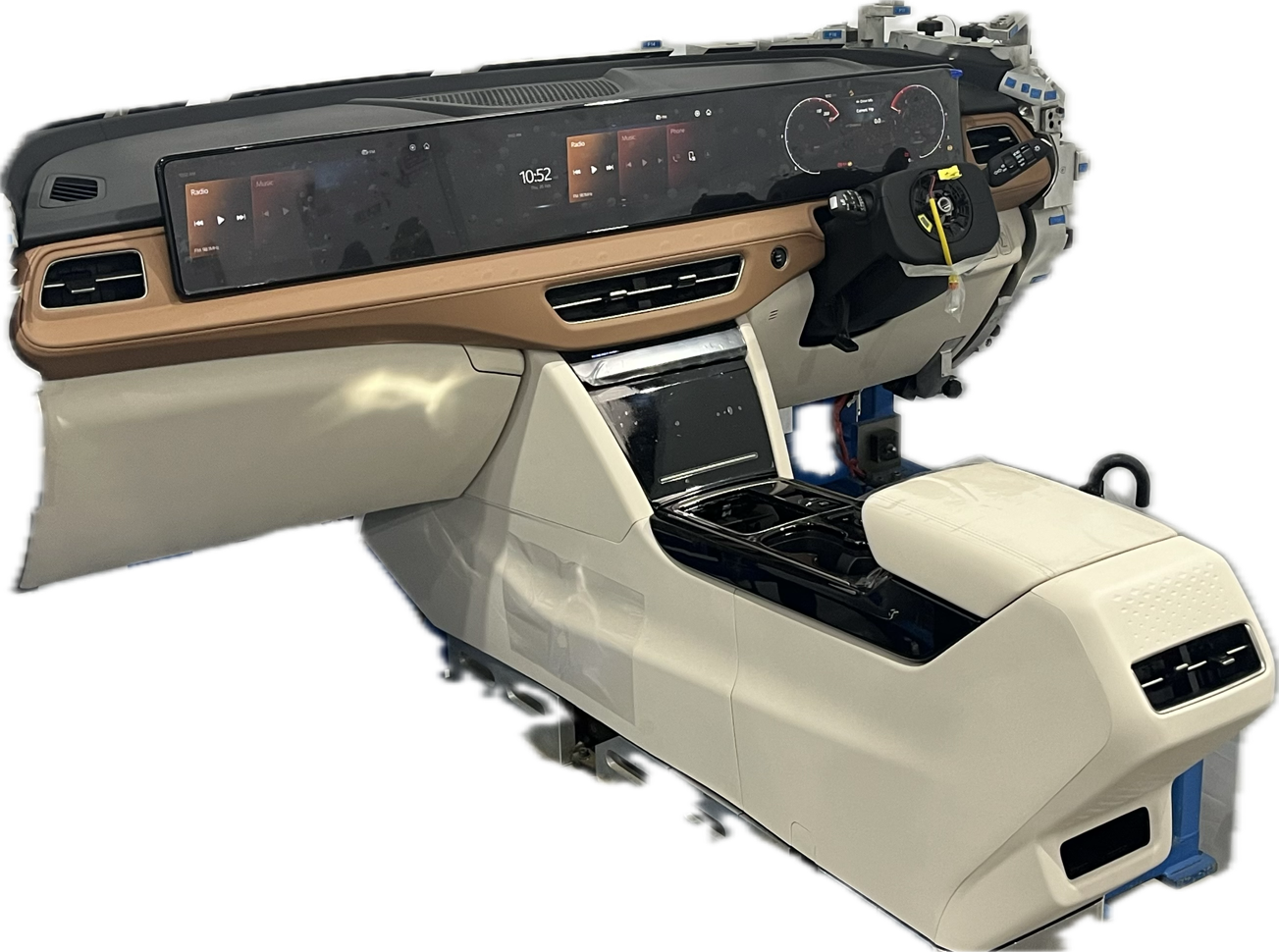
Sustainability is also becoming a core part of this journey. Lightweight designs, recycled materials, reusable packaging and environmental initiatives are being integrated into product development, aligning with the industry’s push towards carbon neutrality, he mentioned.
Non-wovens
What’s there inside a vehicle may look simple, but a lot of engineering goes into making it comfortable, safe and refined. One such material playing a key role is non-wovens. Unlike traditional woven textiles, non-wovens are engineered for performance. They are lightweight, which helps reduce overall vehicle weight and improve efficiency. At the same time, they offer excellent acoustic absorption, playing a key role in reducing noise, vibration and harshness inside the cabin. This means a quieter, more comfortable ride—something customers increasingly expect, especially in long-distance and also commercial applications.
Their real strength, however, lies in versatility. Non-woven materials can be moulded into complex shapes, allowing designers to create seamless, well-finished interiors without adding extra weight or cost. They are also durable, with good abrasion resistance, and meet stringent safety requirements, including flame retardancy—making them suitable for modern vehicle interiors.
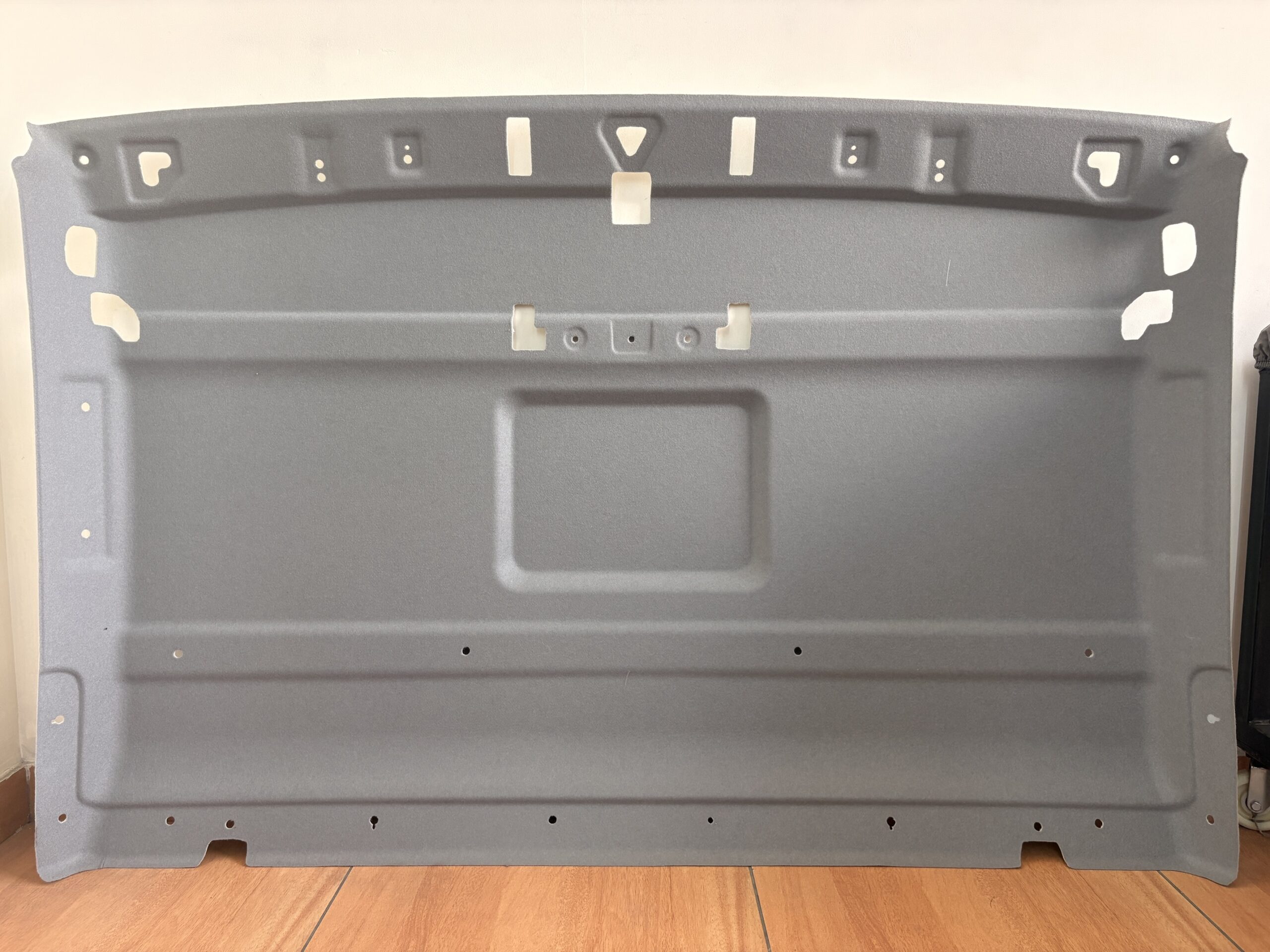
From a manufacturing perspective, the advantages are equally compelling. Non-wovens are more cost-effective compared to traditional woven fabrics, and they offer high process flexibility. They can be used across different manufacturing methods, including thermoforming and thermoset processes, and can easily integrate into multi-layer structures. This allows OEMs to optimise both design and production efficiency.
Leveraging these benefits, IAC has built a strong portfolio of interior components using non-woven decor. These include headliners, sunshades, door inserts and parcel trays—components that define both the look and feel of the cabin while contributing to overall vehicle performance. IAC supplies these components to several leading passenger car OEMs in India, he mentioned.
Non-woven application extends further in commercial vehicles as well. Natural fibre-based cabin wall trim components with non-woven decor—such as back panels, side wall trims and fin trays. These are being supplied to leading CV manufacturers in India and Thailand. These solutions combine sustainability with functionality, aligning with the industry’s growing focus on lightweighting and eco-friendly materials. IAC is also looking at the non-woven segment for future growth leveraging its expertise in the field and robust manufacturing processes, he added.
Cabin at the Core
IAC India’s strength lies in passenger vehicles, especially SUVs, where interiors are becoming more complex and central to the driving experience. From cockpit modules and instrument panels to door trims and centre consoles, the company delivers integrated systems that shape how the cabin looks and feels.
As vehicles move towards software-defined platforms, interiors are evolving into the key human-machine interface—and this is where the company is building its edge. While its presence in commercial vehicles is still limited, growing demand for safer and more comfortable cabins is opening new opportunities in that space as well.
Engineering the balance
According to Mr. Koparkar, building modern interiors is no longer just about design—it is about getting the balance right. As the industry moves towards electrification and tighter emission norms, IAC is working to make components lighter without compromising on strength, safety or premium feel.
Regulations demand weight reduction, while customers expect refined, intelligent and sustainable cabins. “At IAC, we have responded with innovations like hybrid cross car beams which reduce weight and laser scoring ensures safety such as airbag deployment,” he pointed out.
Behind the scenes, every material and process is carefully chosen. The focus is on lightweight, durable and often recycled materials, supported by strong localisation efforts. “Localisation has been a game-changer; last year itself the company developed over 600 moulds in India, optimising costs and avoiding logistic delays. At the same time, interiors are being redesigned for the EV era, with component weight reductions of 10–15% helping improve efficiency,” he said. Modular manufacturing lines ensure scalability, aligning production seamlessly with OEM assembly. In essence, it is a constant balancing act—between cost and quality, weight and strength, innovation and scale—one that is shaping the future of automotive interiors, he explained.
Premium Playbook
For IAC India, the next phase of growth is clearly linked to how vehicle interiors are evolving. The focus is shifting from supplying individual parts to delivering integrated cockpit systems, where screens, digital clusters, ambient lighting and connected features together define the in-cabin experience. As vehicles—especially SUVs—become more feature-rich, the value of interiors is increasing, creating a clear opportunity to enhance content per vehicle.
Supporting this shift is a strong push on innovation. At the core of it is the Pune engineering centre, where a large team of designers and engineers is working on next-generation interiors—from touch-based surfaces with haptic feedback and ambient lighting to connected cockpit features. Backed by steady R&D investments and collaborations with global partners and academic institutions, the company is aligning itself with trends like electrification, new materials and software-defined vehicles, he noted.
On the manufacturing side, IAC operates six plants across India, with Pune being the largest hub. The facility runs at high utilisation, producing around 400 cockpit sets per day, and has already been expanded to support EV programmes. As demand grows, new regions like Gujarat and Chennai are on the radar, while a flexible production model—including outsourcing—ensures continuity and scalability. Together, this combination of premiumisation, innovation and flexible manufacturing is shaping IAC’s roadmap for the future, Mr. Koparkar, summed up.