
The growing relevance of bio-based materials in technical textiles is accompanied by increasing demands for reproducibility, high-quality data, and scalable process routes. Especially when working with cellulose and its derivatives, chitosan, lignin-based approaches, or bio-based PAN as a carbon-fiber precursor, R&D teams face variable feedstock quality, tighter process windows, and the need for reliable comparability across trials. This calls for flexible, data-driven experimental setups that can be reconfigured efficiently when recipes, solvents, and raw-material batches change.
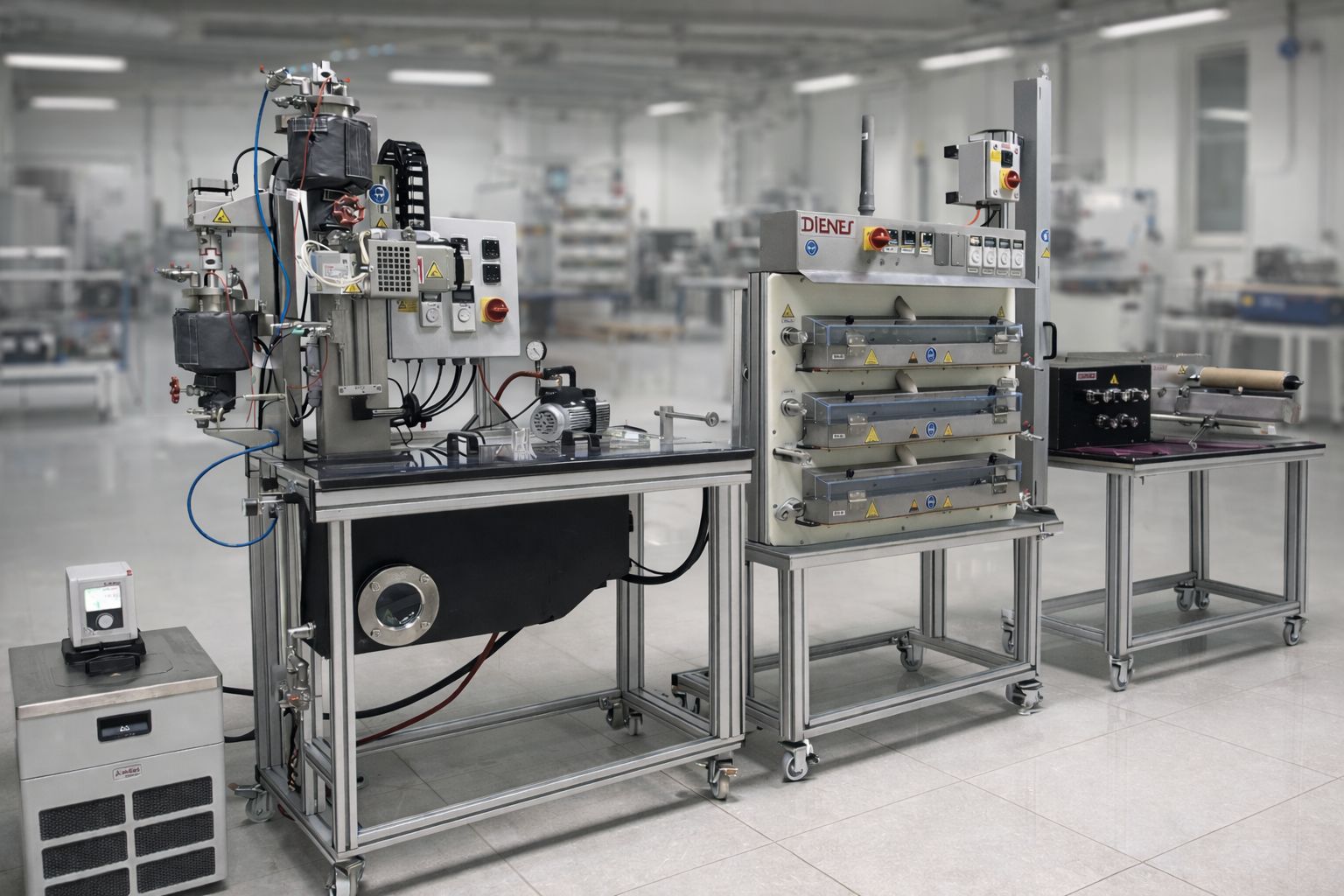
DIENES Apparatebau, based in Mühlheim am Main, Germany, develops laboratory and pilot-scale equipment for fiber spinning and downstream thermal conversion up to carbonization. Its technology sweet spot is solvent-based spinning, including wet spinning, dry spinning, gel spinning, and reaction spinning, complemented by melt spinning as well as modules for stabilization and carbonization. The modular plant architecture enables end-to-end process chains from dope preparation to spinning, conversion, and high-temperature treatment, supporting systematic parameter studies and reproducible transfer to larger scales.
A key element is MultiMode®, DIENES’ proprietary modular control architecture in pilot lines. Each process module features decentralized control, can be tailored to customer-specific requirements, and can be exchanged or rearranged with reduced programming effort while all production parameters are continuously visualized and recorded. This provides traceability and process transparency for publications, funding projects, and investment decisions, while protecting investments through expandability and supporting deeper process understanding through a high level of integration.
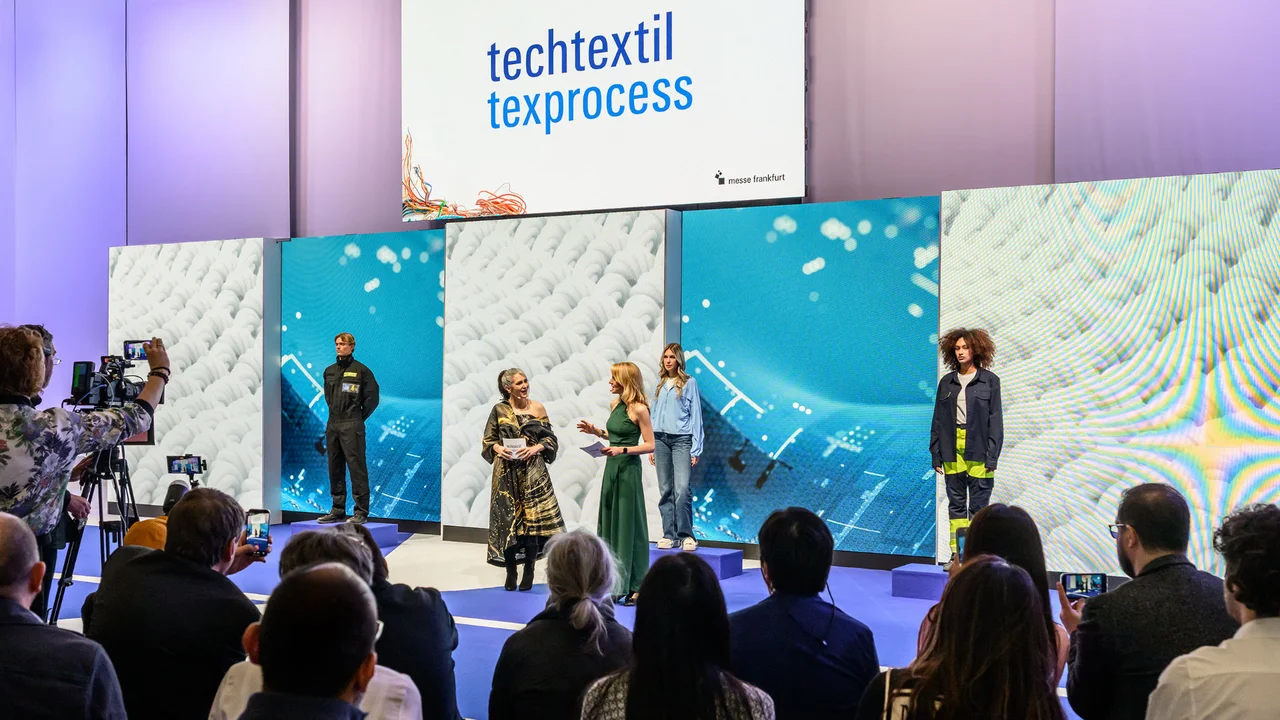
At Techtextil 2026 in Frankfurt, DIENES will demonstrate how the path from proof of concept to pilot production can be structured with two product lines: compact LLC-systems for material exploration and digitalized MultiMode® plants for scale-up and small-scale production. The focus is on natural polymers and bio-based feedstocks, where flexible parameterization and data-driven optimization are essential. This gives research groups and industrial R&D teams a precise platform to define their process and translate it into individually engineered equipment.