
By K. Gopalakrishnan
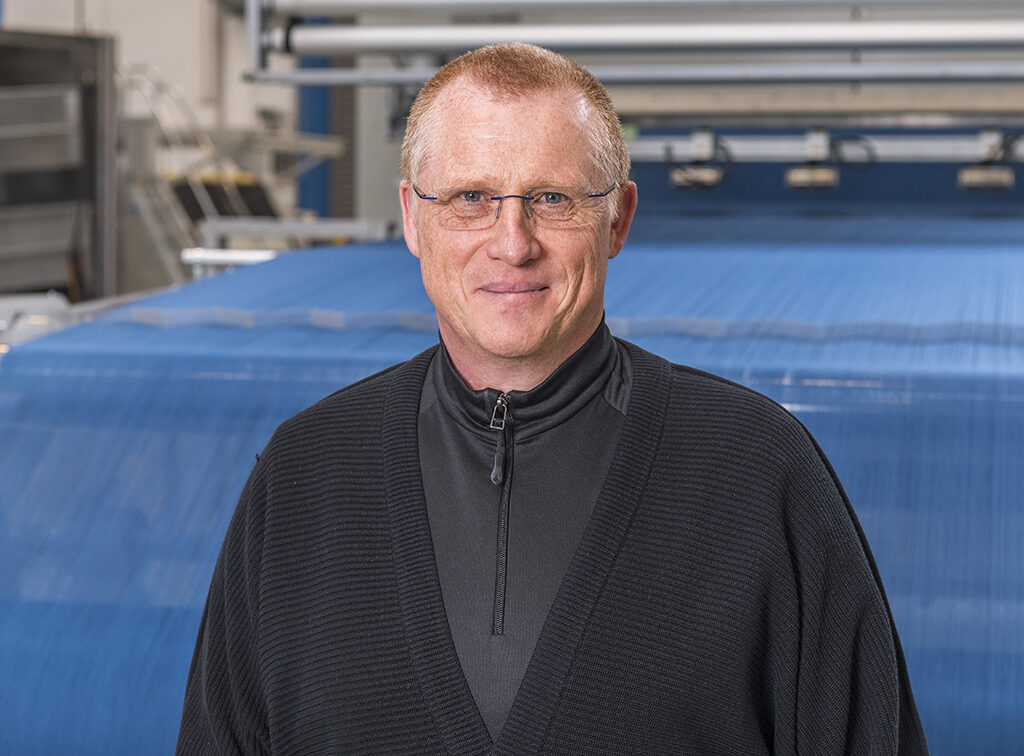
As global textile markets navigate geopolitical uncertainties, shifting trade policies and rising sustainability expectations, technology partners are playing a decisive role in shaping the industry’s future. Monforts, a long-standing leader in textile finishing machinery, continues to reinforce its commitment to India—one of the world’s fastest-growing textile manufacturing hubs. In this exclusive interaction, Hans Wroblowski, Area Sales Manager and Head of Denim at Monforts, shares insights on business performance in 2025, the India–EU Free Trade Agreement, sustainability-driven innovation, and the company’s long-term vision for the Indian market.
Navigating a Challenging Global Market in 2025
The year 2025 proved demanding for the global textile industry, shaped by new US tariff policies and the uncertainty they introduced across supply chains. Despite these headwinds, Monforts witnessed a notably strong performance in India. According to Hans Wroblowski, the company has built a solid foothold in the country by aligning closely with India’s expanding economy and rising domestic and export-driven demand.
Consistent growth across key segments has been underpinned by Monforts’ strong distribution network, localisation of solutions, and close partnerships with Indian textile producers. While markets elsewhere faced volatility, Monforts remained focused on sustained investment in research and development, reinforcing its role as a reliable long-term partner. With a clear emphasis on technological advancement, responsiveness, and environmental responsibility, the company believes it is well positioned to navigate uncertainties in 2026 and beyond.
India–EU FTA: A Catalyst for Mutual Growth
The proposed India–EU Free Trade Agreement is viewed by Monforts as a decisive opportunity for both regions. Reduced trade barriers are expected to enable European machinery manufacturers to supply advanced equipment, automation technologies, and digital solutions more efficiently to India. This, in turn, will support Indian textile manufacturers in modernising production lines, improving efficiency, and meeting stringent European quality and sustainability benchmarks.
However, Wroblowski notes that challenges remain. European suppliers must continue adapting their technologies to Indian cost sensitivities and operational requirements, while also navigating complex regulatory frameworks. Addressing these challenges will demand deeper local market insights, product adaptation, and strong after-sales and support services—areas where Monforts is actively strengthening its presence.
Sustainability, ESG Compliance and Energy Efficiency
With the European Union governed by some of the world’s most stringent ESG and sustainability norms, machinery suppliers are increasingly expected to deliver solutions that enable compliance across environmental, energy and social standards. Sustainability, Wroblowski emphasises, is a central pillar of Monforts’ innovation strategy.
The company is continuously working to reduce the energy consumption of its machines through technologies such as heat recovery systems and dual heating options. Looking ahead, Monforts is also exploring green hydrogen as a potential future energy source—an innovation that could be transformative for energy-intensive textile finishing processes.
Given that fabric finishing involves drying moisture-laden textiles, reducing initial moisture content before drying is critical. Monforts addresses this through minimum application technologies, including kiss-roll, coating and spraying systems, enabling significant energy savings while maintaining high-quality output.
Why European Machinery Continues to Lead
European textile machinery, according to Wroblowski, continues to set global benchmarks in quality, reliability, and lifespan. These attributes ensure reproducible, high-quality production over many years of operation. Although the initial investment may be higher, the return on investment is achieved more rapidly due to premium product quality and the higher prices that such textiles can command in global markets.
For Indian manufacturers focused on long-term competitiveness, consistency and lifecycle efficiency remain decisive factors—areas where European machinery continues to hold a clear advantage.
Technical Textiles: A Key Growth Segment for India
Among the various textile segments, technical textiles stand out as a high-growth, high-technology sector with increasing demand in the European market. Wroblowski highlights that advanced machinery—particularly coating devices and dryers—plays a crucial role in ensuring the performance and quality standards required for these applications.
Responding to this demand, Monforts has introduced the MontexCoat, a multifunctional coating line capable of knife coating, magnet roller coating, rotary screen printing, and other processes. Designed as a fully automatic solution, it offers the flexibility demanded by technical textile producers. For customers focused solely on knife coating, the more cost-effective coaTTex coating line provides an attractive alternative.
Core Products and Shopfloor Innovations
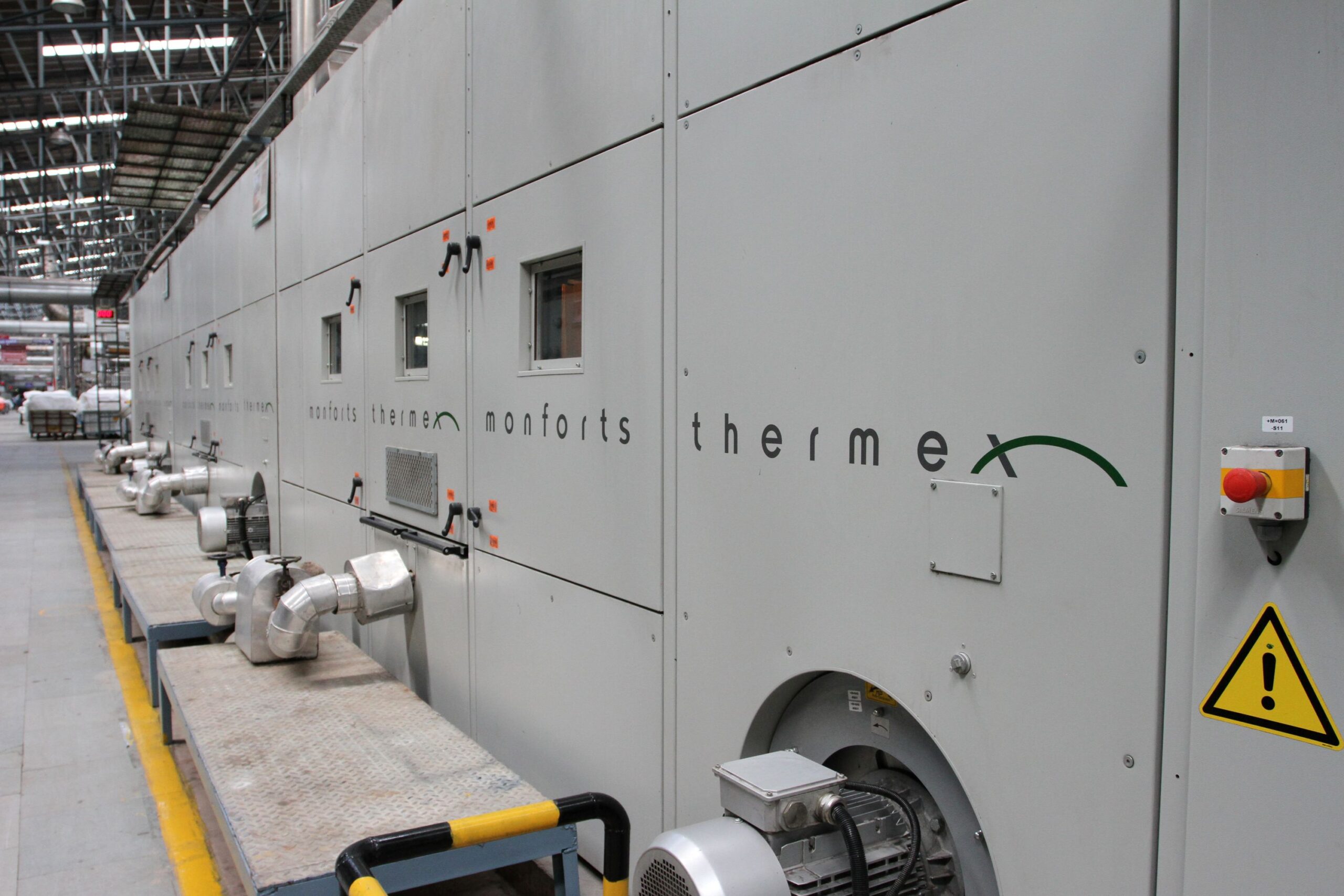
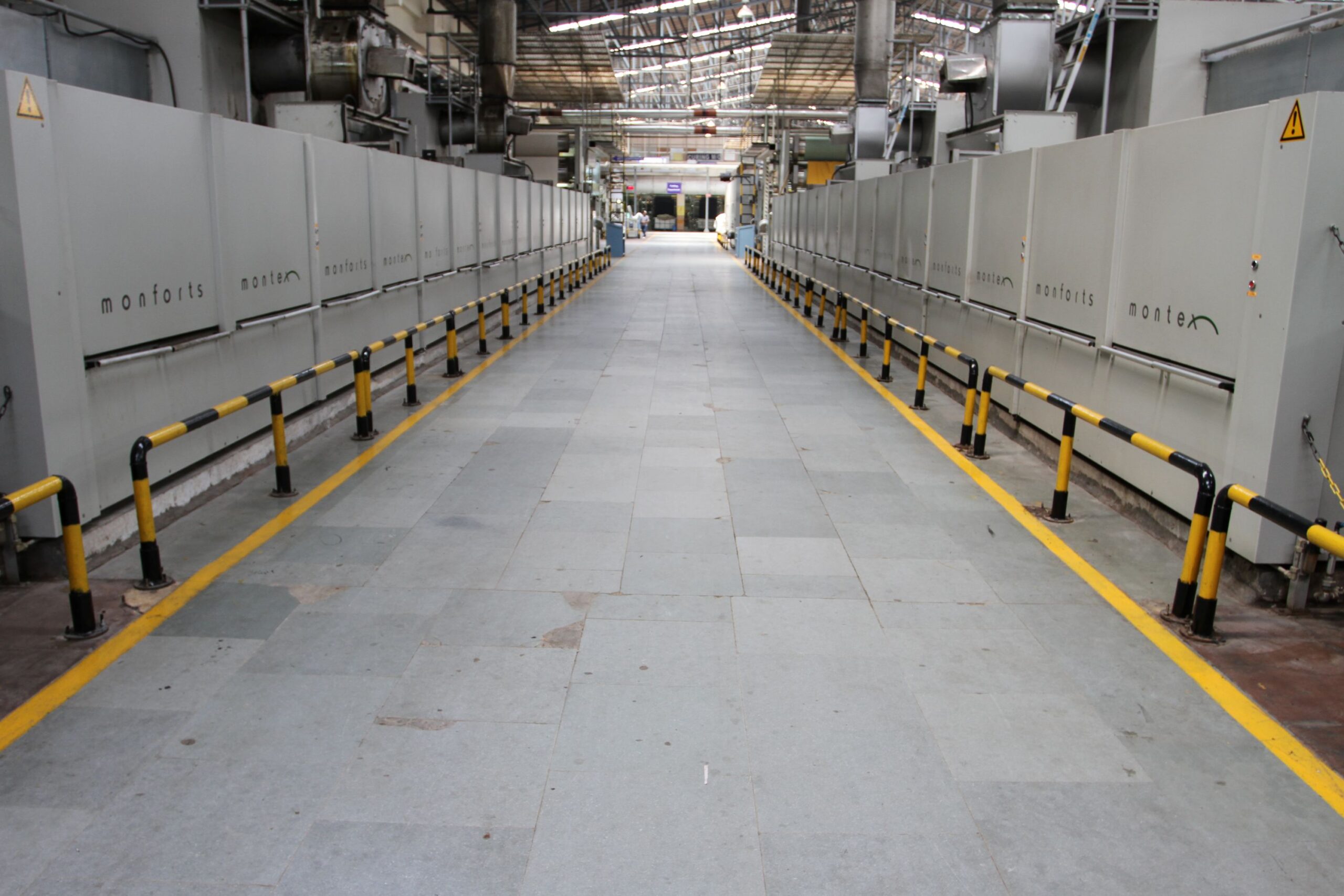
Monforts’ core offerings in India continue to be its MONTEX stenters and THERMEX dyeing and curing lines. MONTEX stenters are widely regarded as the industry standard in fabric finishing, particularly across denim, home textiles and technical textiles. They deliver high throughput, exceptional energy efficiency, and long-term robustness, ensuring resource-efficient productivity over extended service lives.
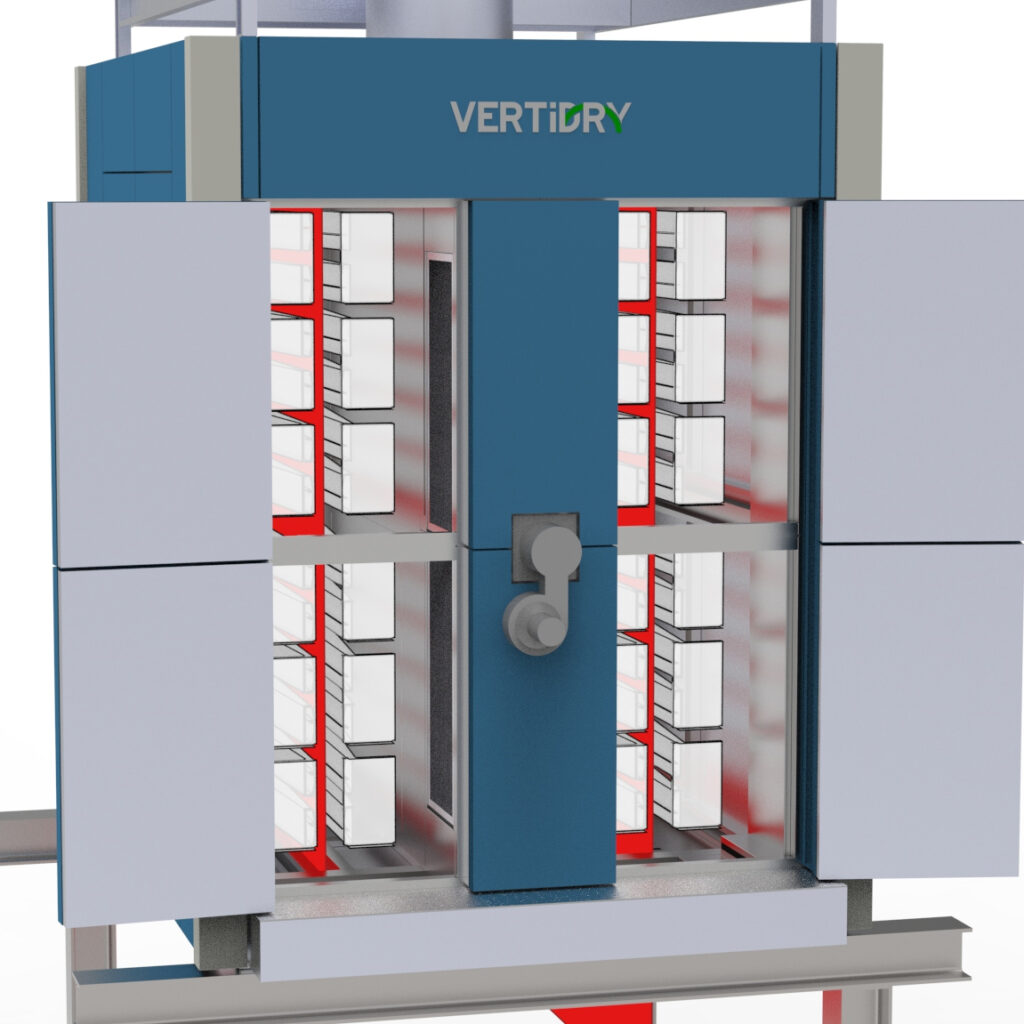
Indian manufacturers are also showing growing interest in coating technologies and advanced application equipment, driven by the expansion of technical textiles. Innovations such as the Eco Applicator, MontexCoat, and the new vertical dryer VertiDry are setting new benchmarks for sustainable finishing, reinforcing Monforts’ reputation for innovation and strengthening customer loyalty in the Indian market.
Automation, Digitalisation and the Role of AI
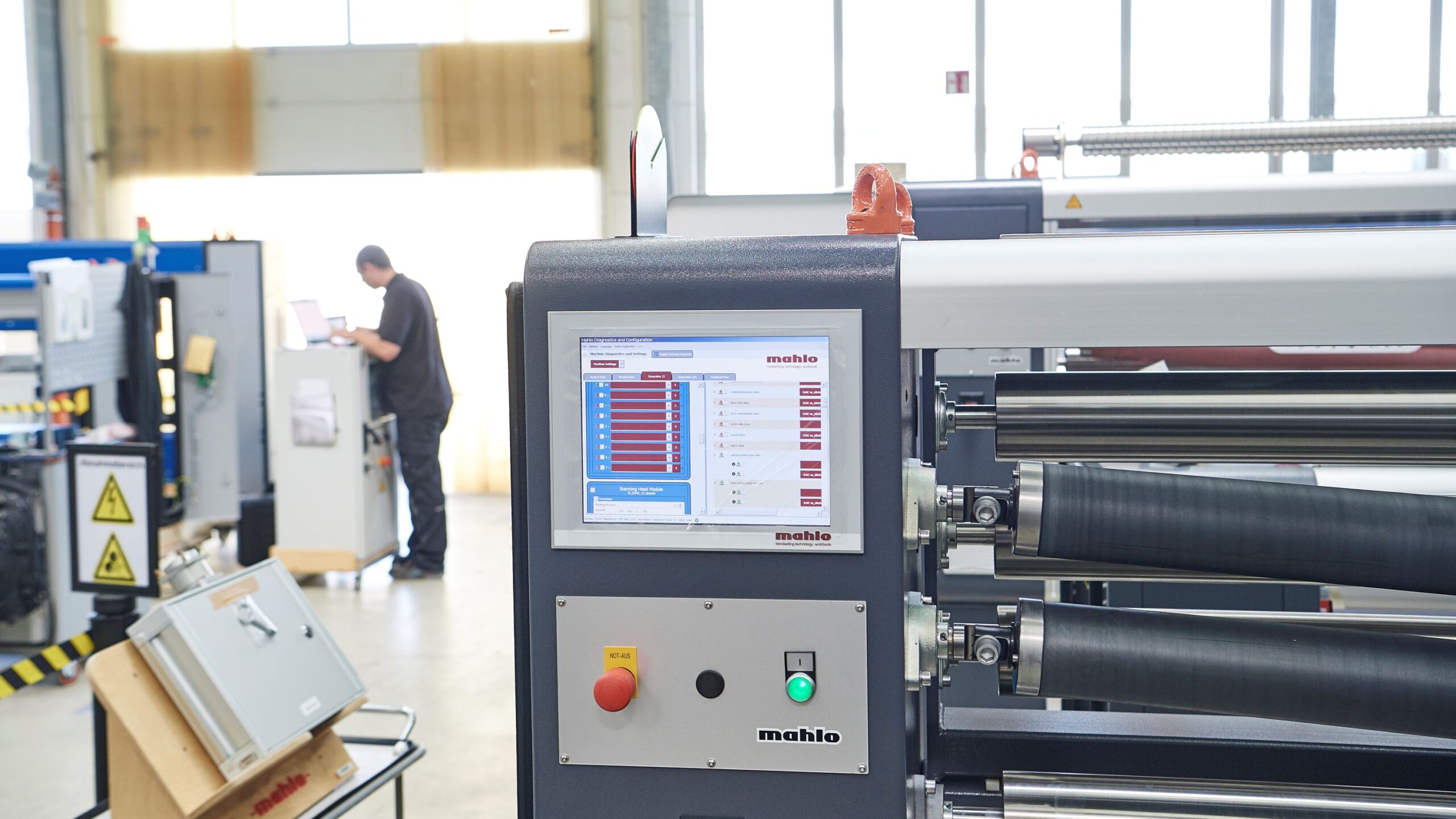
Automation and digital integration are now central to global competitiveness. Monforts machines have long been equipped with the Qualitex PLC system, with OPC Unified Architecture enabling seamless integration with customers’ internal systems. Recipes, batch protocols and process data are digitally stored, ensuring traceability and consistency.
The company’s maintenance manager supports predictive maintenance, helping mills maintain peak operational efficiency. Looking ahead, Monforts is collaborating with business partners and textile producers to leverage artificial intelligence, aiming to further enhance operational efficiency and transform the overall customer experience through smarter manufacturing solutions.
India’s Strategic Importance and the Road Ahead
India already represents a strategically important partner for Europe and is expected to play an even greater role in the coming decade. With significant growth potential in value-added products and technical textiles, the Indian textile industry is well positioned to serve emerging global markets.
Monforts’ relationship with India spans over six decades, dating back to the 1960s, during which it has built enduring partnerships with many of the country’s leading textile manufacturers. As Wroblowski concludes, Monforts remains committed to supporting India’s textile growth journey—through innovation, sustainability-focused solutions, and long-term collaboration—well into the next five to ten years and beyond.