
By Arun Rao
Pioneering Insulation Fabrics Since 1992
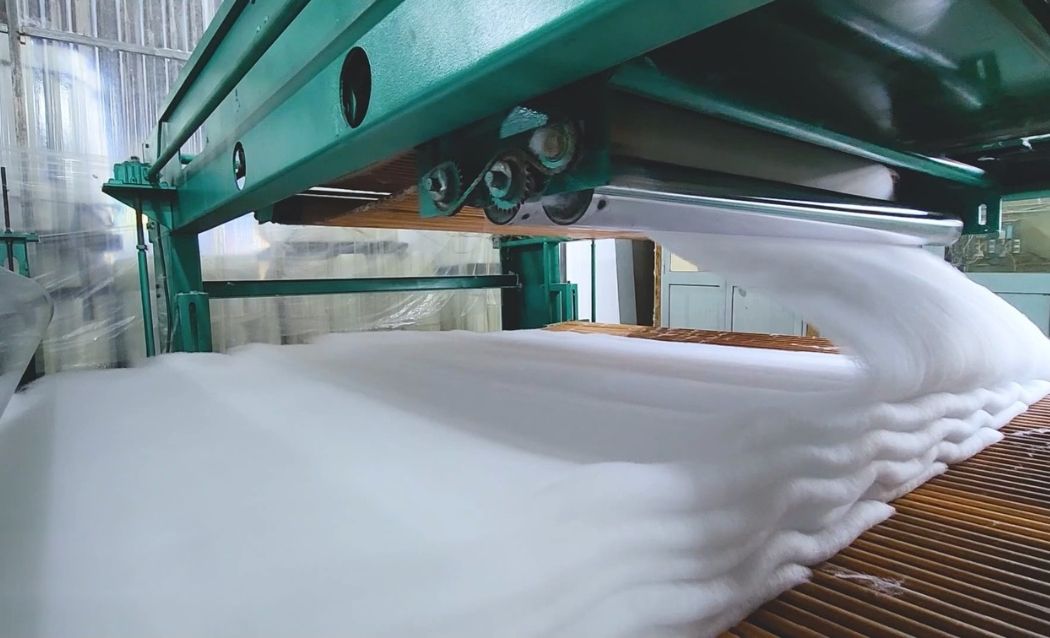
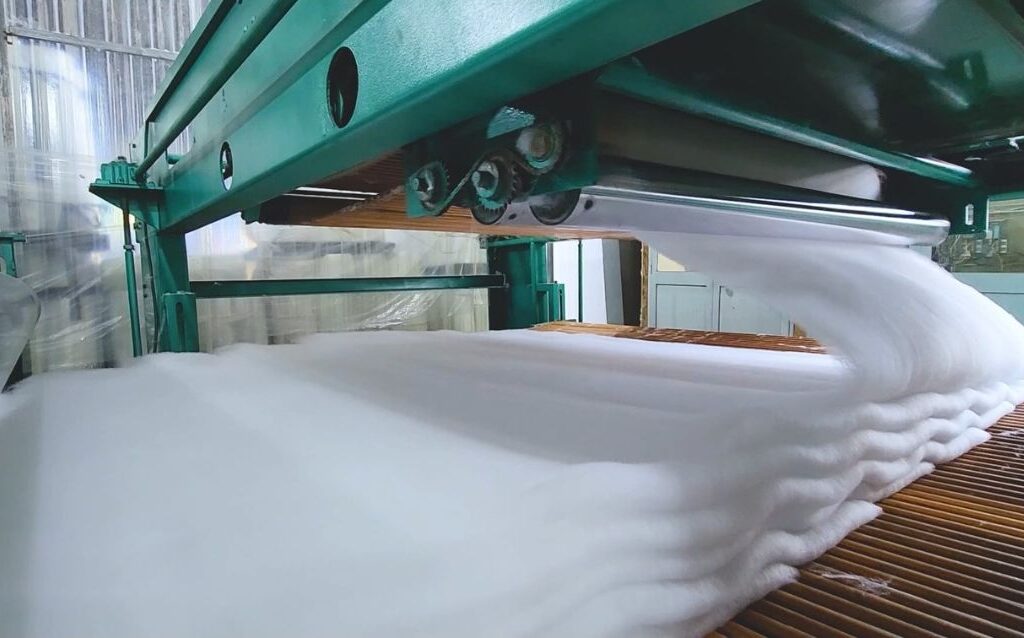
Jaipur headquartered Ginni Spectra Pvt Ltd was among the early pioneers in India in the manufacture of insulation fabrics in 1992 for use in garments, which with passage of time was extended for use in mattresses, sound insulation products, fire retardant products, technical textiles, etc and produces fabrics of even six metres width. The icing on the cake is that the company’s uses almost 75% recycled polyester fibre among all synthetic fibres consumed, along with regenerated cotton fibres.
Employing Advanced Nonwovens Technologies
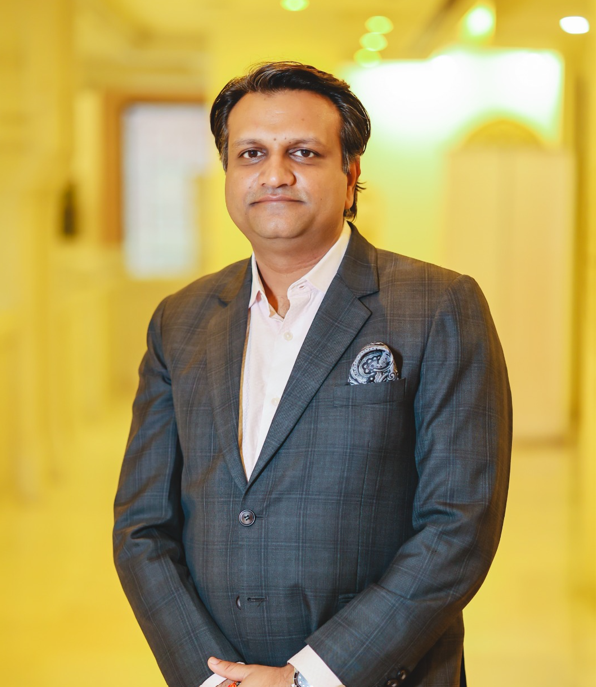
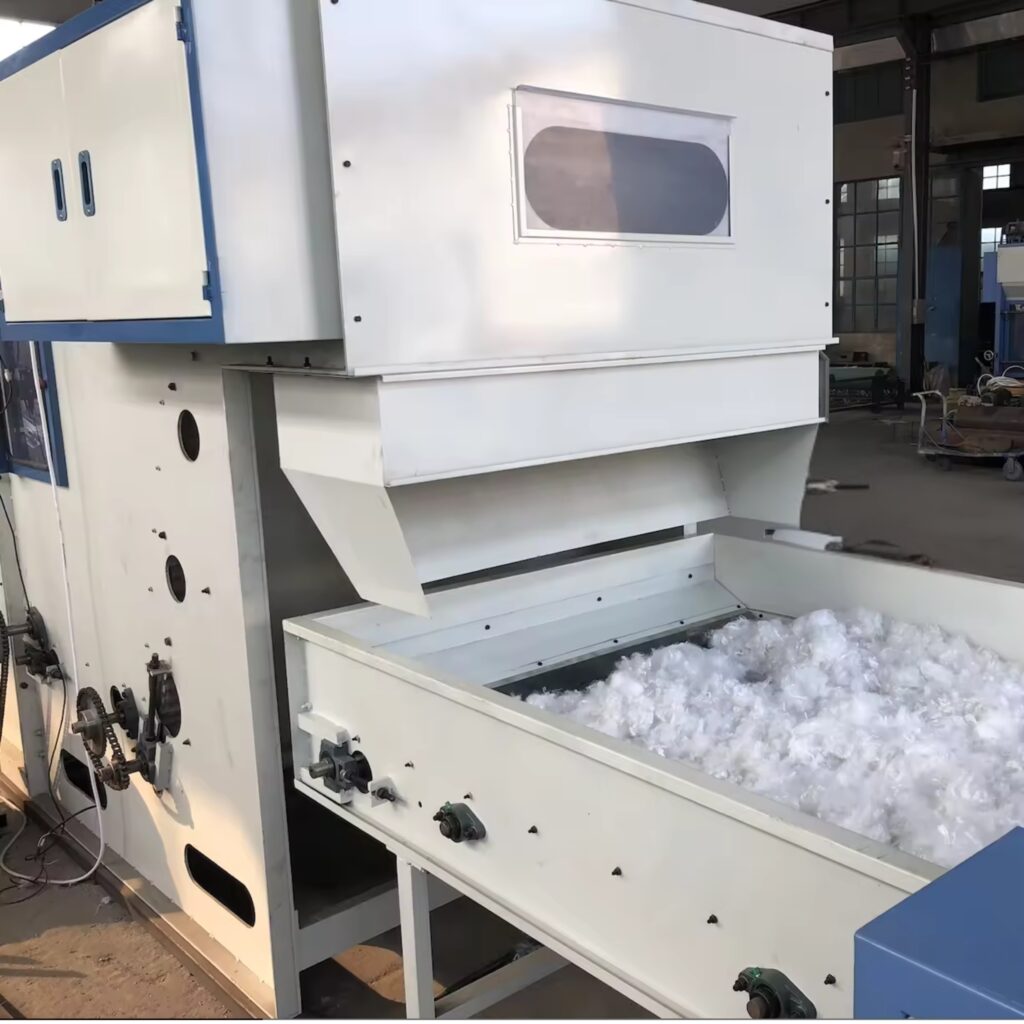
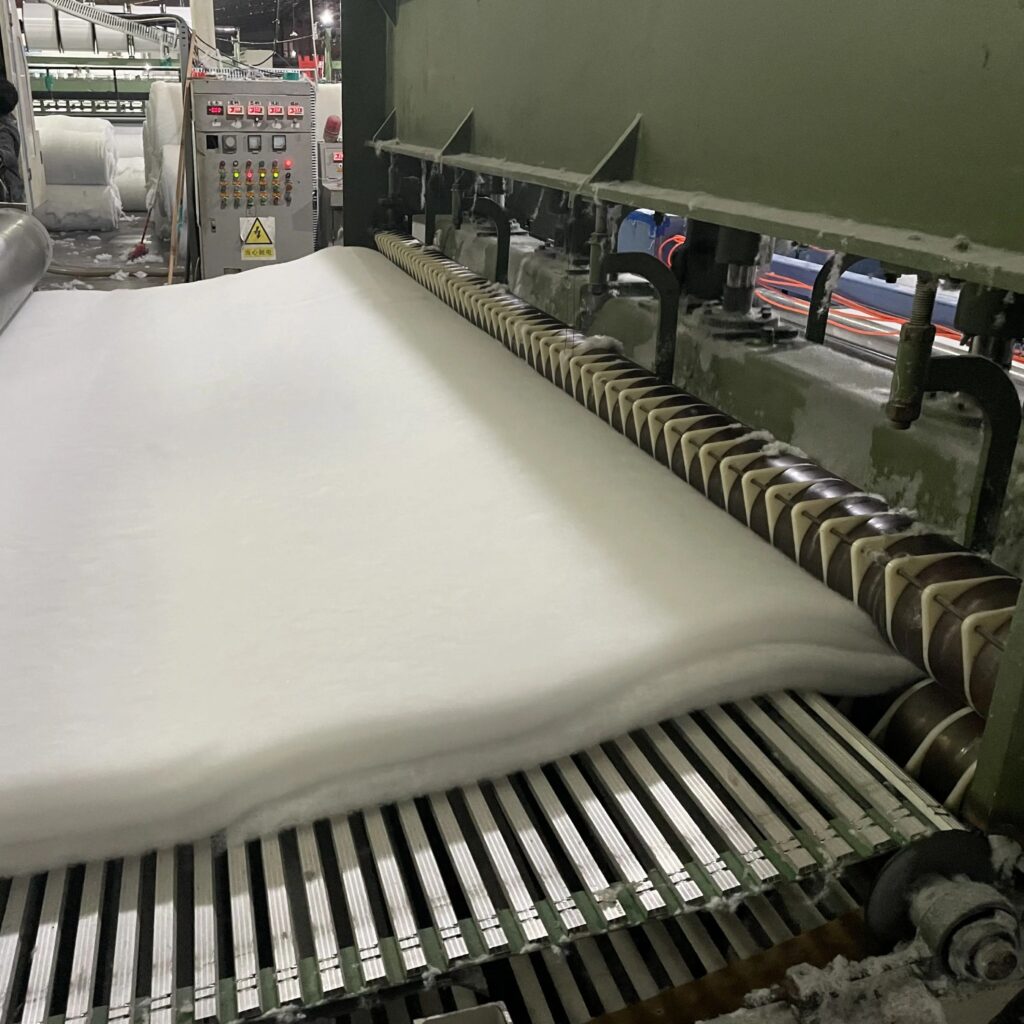
“The idea for using polyester staple fibre (PSF) for garment insulation came from a friend of my father. But we have now moved to using several other fibres like cotton, viscose, polypropylene, nylon, wool, bamboo and sell our products under the brand name of NOWOFILL. We use various nonwovens technology like thermal bonding, chemical bonding and needle punch technologies to manufacture the fabrics directly from fibre, which are used as fillings or insulation. We have 18 production lines located in two plants, of which one is in Jaipur and the other is in Karur in Tamil Nadu,” Mr Nitin Poddar, Director at Ginni Spectra shared while speaking exclusively with The Textile Magazine.
Broad GSM Range Driving Multiple Market Segments
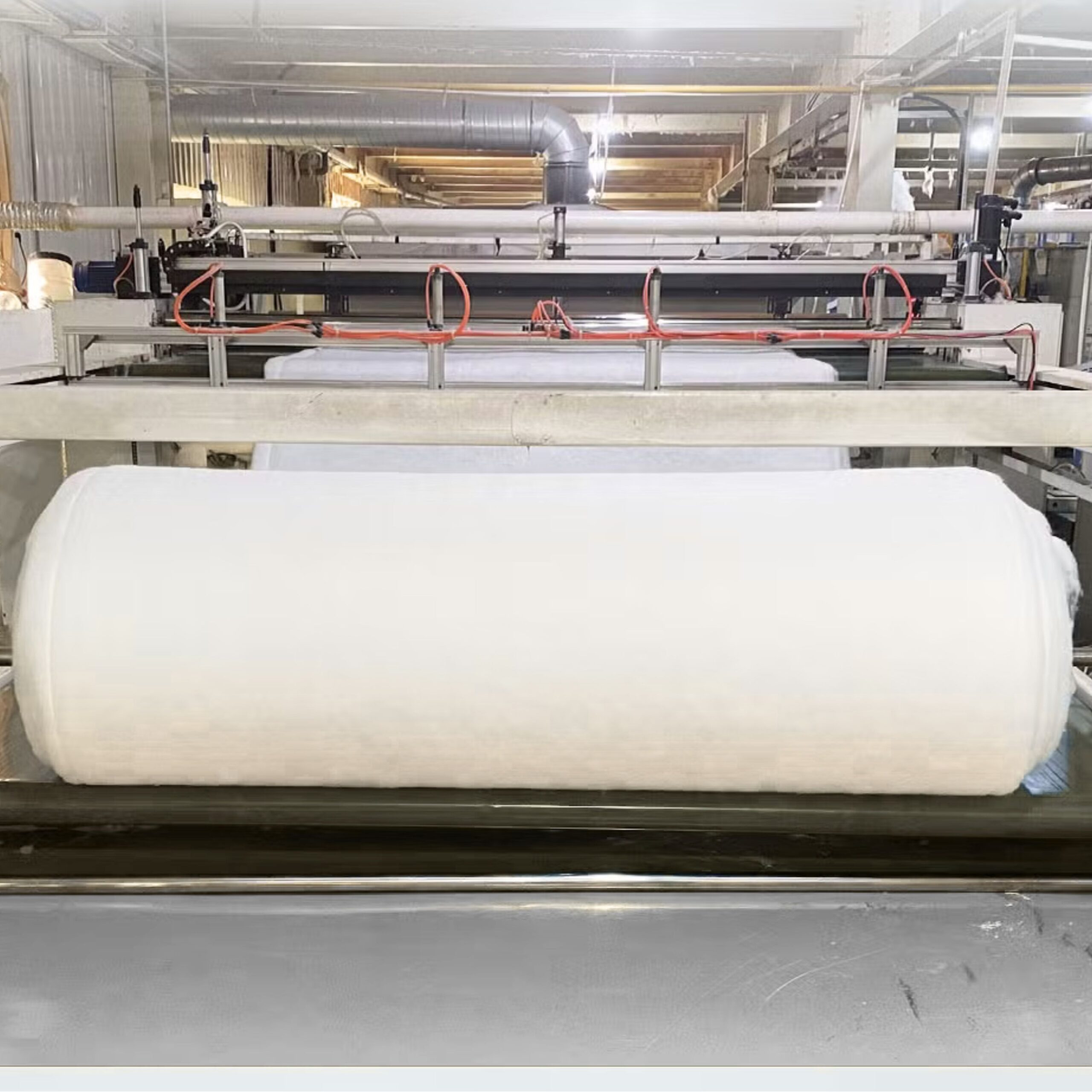
The company produces nonwoven fabrics from as low as 30 GSM to as high as 5,000 GSM. 30-40 GSM fabrics is used in garment interlinings; 100-150 GSM goes for water proofing, shoulder pads for blazers and also dohars; 200-250 GSM fabrics are used in comforters and quilts, 300-350 GSM fabrics for kitchenwear like aprons, gloves and also pot holders while 500-1500 GSM fabrics are used in building and sound insulation. Ginni Spectra generates maximum revenue from fabrics between 30-300 GSM.
Strong Focus on Sustainability & Recycled Fibres
“We are also addressing environmental concerns as we use 75% recycled PSF fibres among our overall synthetic fibre usage which are made from post consumer PET bottles. We also recycle post consumer cotton products into fibres and then use it as raw material. When a customer comes to us with a specific requirement, then if the requirement can be made through recycled fibers, we suggest the same to the customer which also lowers the cost. We have many applications which use 100% recycled fibre,” Mr Poddar added.
Quilting Unit Expands Value-Added Capabilities
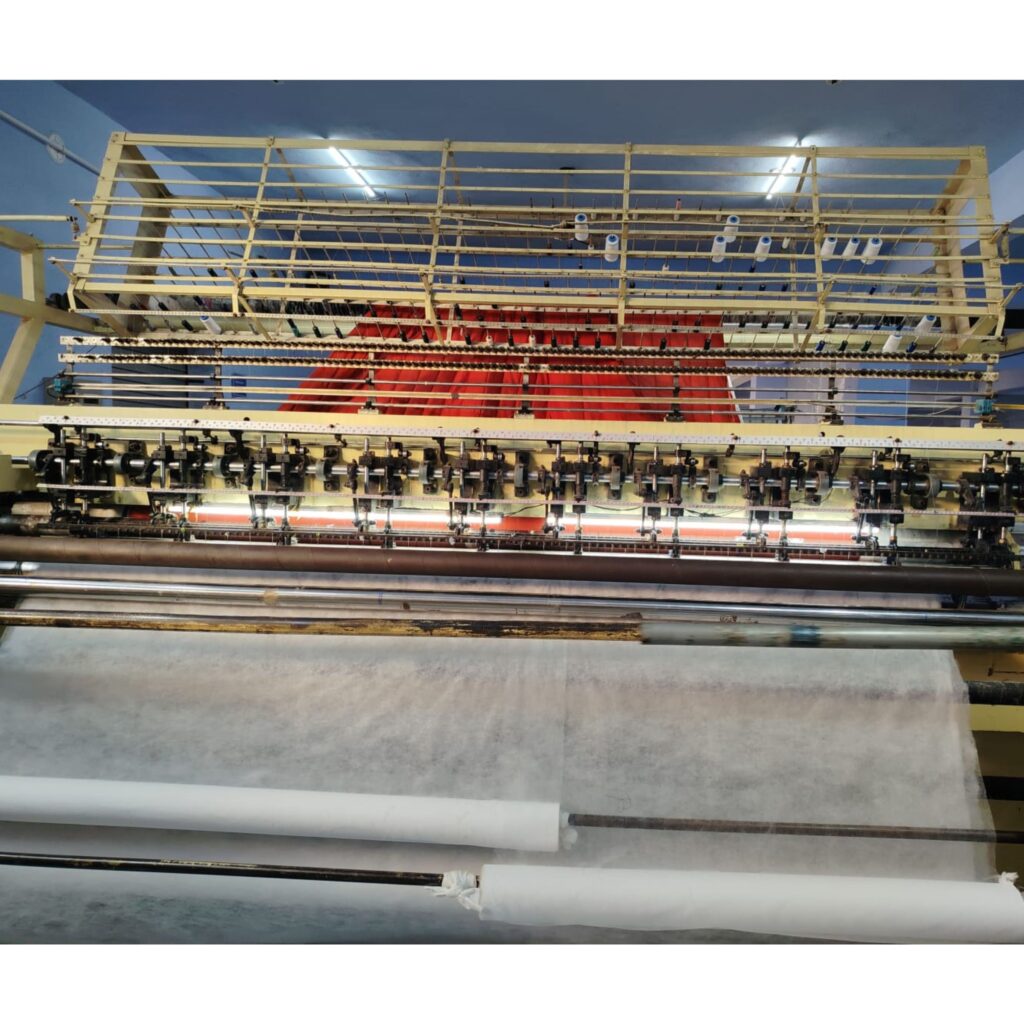
The company has ventured into manufacturing of quilts and has four single needle quilting machines, three multi needle quilting machines and also embroidery quilting machines. The quilting unit operates as an OEM unit manufacturing for various brands and not under the NOWOFILL brand for retail sales.
Near-Zero Waste Manufacturing
The company does not have any waste going out of the factory which is practically zero. All the side cuttings are recycled and used as raw materials. The nonwoven fibre dust / fine fibre waste is mixed with cement and used as reinforcement. They have also bagged several compliance certifications like Oeko-Tex 100, GRS, GOTS and Inditex, etc
Automation, Digitisation and ERP-Driven Efficiency
Ginni Spectra has automised and digitised its production process and has also installed an ERP system which helps it deliver quality and quantity at optimum cost and on time. This has optimised labour dependency.
Customisation and R&D as Core Strengths
“The products that we manufacture are now made by many companies. But our main forte is in delivering customised products. R&D is in the DNA of our company as R&D activities are a continuous process which is the reason we have been able to develop so many products which find applications in several sectors. We also have multiple lines and supply fabrics in several fibres which is our biggest strength. Our responses too are faster. A significant majority of sales are generated from customers who have been buying from us since several years,” he informed while sharing strengths of the company.
Future Expansion and Capacity Enhancement Plans
In future plans the company is investing in a lamination plant and sublimation printing and also has future plans to set up production plants in the east and west regions of India in order to be closer to its customers in these two regions.