
By T. Murrali
Freudenberg Performance Materials India is eyeing its next phase of growth, with a sharp focus on two high-potential segments as it expands its presence across diverse non-woven and technical textile markets.
Freudenberg Performance Materials India (FPMI), the company that serves a wide range of non-woven products to several markets, including apparel & shoe, building, civil engineering, energy, filtermedia, healthcare, household & living, industrial & manufacturing, mobility & transport and coated technical textiles, is looking at two major growth areas in the near future.
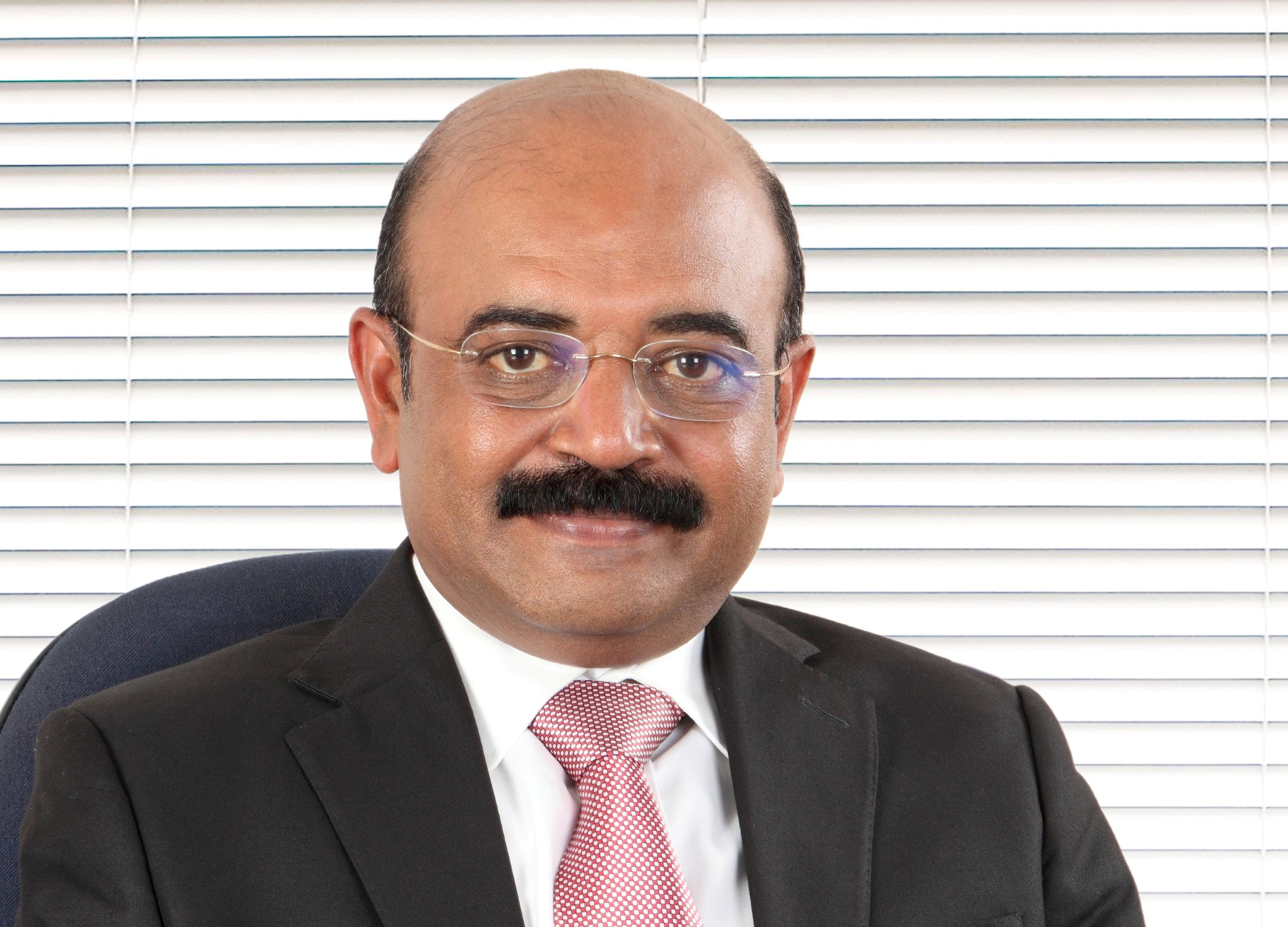
The first, according to Mr. G. Sivasailam, Director and CEO – Freudenberg Regional Representative, India and Managing Director – Freudenberg Performance Materials India, is energy. Speaking to this publication, he said, from battery separators that prevent overheating to materials used in cables and wind turbines, the company is positioning itself at the heart of India’s energy transition. “These are niche, high-value products, currently supplied from global plants, but likely to be localised in the next three to five years,” he said.
The second is infrastructure; products like Soundtex and Evolon are already making a quiet impact. Installed in airports, auditoriums, and public spaces, they absorb sound and eliminate echoes—ensuring clear communication. As more spaces demand controlled acoustics, this segment is set to grow rapidly.
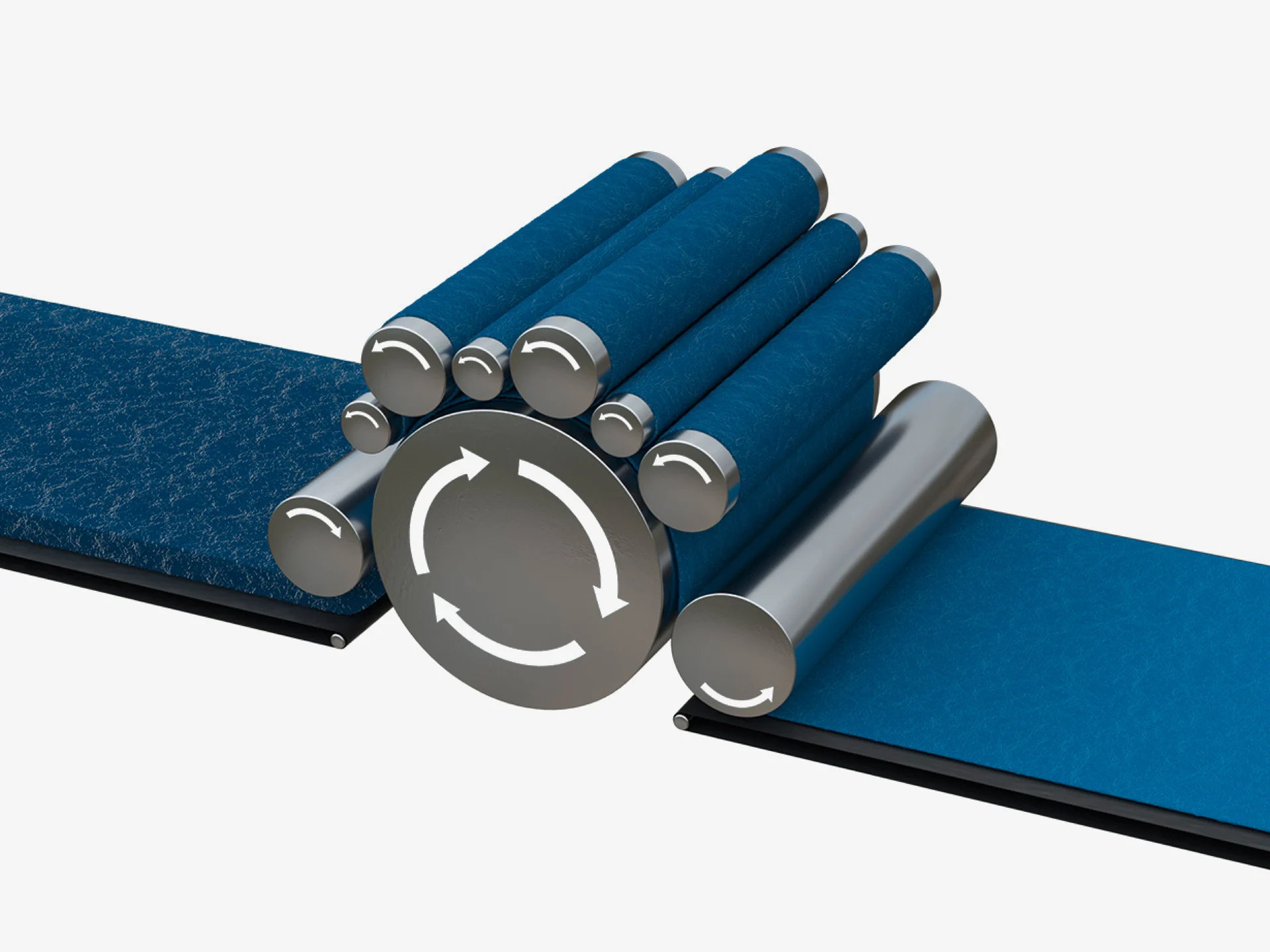
What truly sets the company apart is its approach. It doesn’t just sell products—it builds solutions. With deep expertise in material science, the company works closely with customers to understand their needs and develop tailored solutions. Even its machines are customised. And the relationship doesn’t end at delivery—teams actively support customers in using products more efficiently in their own processes It’s a partnership-driven model, built on long-term collaboration rather than short-term transactions, he explained.
India is at the centre of the company’s future plans, he said, adding that from energy and infrastructure to footwear and apparel, the opportunities are vast. With India emerging as a major manufacturing hub—especially in sectors like footwear and textiles—the demand for advanced materials is only set to rise. Trade agreements, growing exports, and increasing domestic consumption will further accelerate this growth, he opined.
Investing Forward
The company has already invested around €3.5 million in its Chennai expansion. Over the next three years, it plans to invest an additional amount of slightly under €3 million—once again centred around Chennai. The aim is to build on existing strengths, leverage local talent, engineering capabilities, and a strong safety culture to scale further.
The Bigger Picture
In many ways, this journey is not about a single expansion or a single product. It’s about building capabilities—step by step. From fabrics to advanced materials, from local production to global integration, the company is quietly shaping its future in India. And as industries evolve, one thing is becoming clear – the real transformation is not always visible. Sometimes, it’s built layer by layer—just like the materials that make it possible.
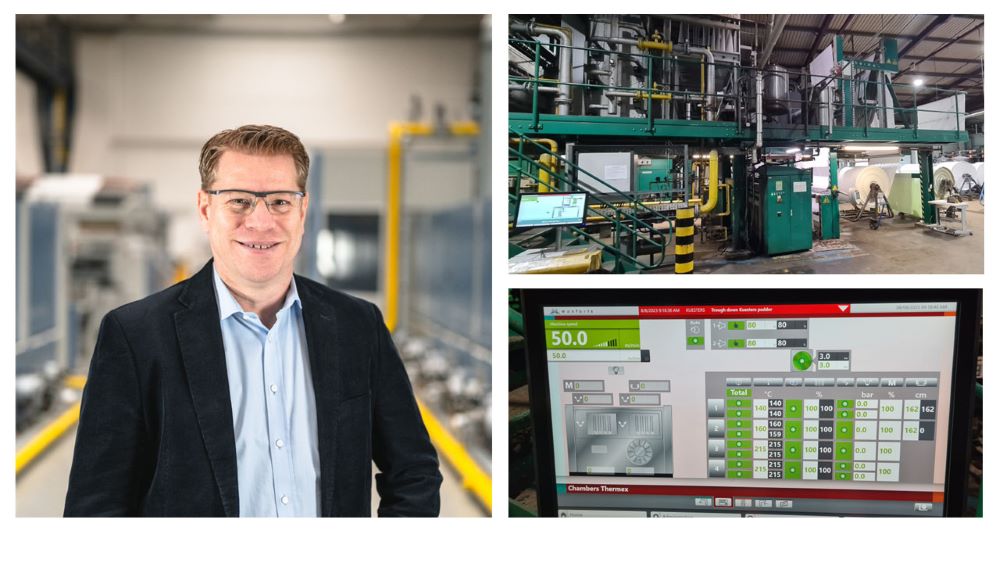
When the new lines at the company’s Chennai facility went live in 2025, it wasn’t just another factory expansion—it marked a shift in how the company wanted to operate in India. The company decided to bring a critical process—fabric finishing for cotton and polyester—completely in-house. Until then, this step was outsourced. But bringing it under one roof changed everything. It meant tighter quality control, faster production cycles, and, most importantly, the ability to innovate. For the first time, the company could experiment, refine, and develop products internally. R&D, which was once limited, is now set to expand further from Chennai by 2027, Mr. Sivasailam mentioned.
Stronger Control
With production planning now fully internal, the company can respond faster to customer needs. Quality is more consistent. Delivery timelines are tighter. While the current focus of this expansion is on woven products—mainly for apparel—it opens doors to adjacent segments like footwear and premium leather bags. The same machines and processes can be adapted to serve these high-value markets.
The company’s presence in India spans multiple sectors—healthcare, infrastructure, footwear, carpet tiles, and more. In the non-woven space, however, much of the supply still comes from its global facilities in Korea, China, Japan, and Germany.
Take the automotive sector; headliners and roof liners for brands like Kia and Honda Elevate are already being supplied from overseas plants of Freudenberg. Premium European cars assembled in India also use these materials. From sound-absorbing materials in airports and auditoriums to lightweight components in cars and electric vehicles, its materials are quietly shaping everyday experiences. With the rise of electric vehicles, the need for lighter, more efficient materials is growing. The company is already supplying composite solutions that help reduce noise, vibration, and harshness—while keeping the vehicle lightweight, he said.
“In fact, if you’ve walked through a modern airport in India, chances are you’ve already experienced its technology—just without noticing it,” he added.
Much of the advanced non-woven technology still comes from global plants, but that is set to change. The company is now preparing to localise this production in India over the next few years, identifying gaps in the market and building capabilities around them.
The opportunity ahead is huge. India’s growing energy sector, expanding infrastructure, and rising role as a manufacturing hub are opening up new possibilities. From battery components that improve safety to materials used in wind turbines and cables, the next phase of growth will be driven by sectors that didn’t exist at this scale a decade ago.
What sets the company apart, however, is not just what it makes—but how it works. Instead of simply supplying products, it partners with customers to develop solutions tailored to their needs. It’s a quieter approach, but one that builds long-term relationships.
Localisation Plans
The next step is clear—localisation. Between 2027 and 2029, the company plans to bring non-woven production to India. But this won’t be rushed. The focus is on identifying the right opportunities and investing in technologies that truly add value.
Green Goals
Sustainability is another area where the company is moving ahead—fast. Targets set for 2030 have already been achieved by 2025. Now, the goal is to bring 2035 targets forward to 2030, he said. At its Chennai facility, 85% of energy consumption is already green, a milestone originally planned for much later. Efforts are now underway to reach 100%.
Even product innovation is aligned with sustainability. For instance, new adhesives used in apparel processing reduce energy consumption and processing time. This helps customers lower their carbon footprint while improving productivity, Mr. Sivasailam signed.