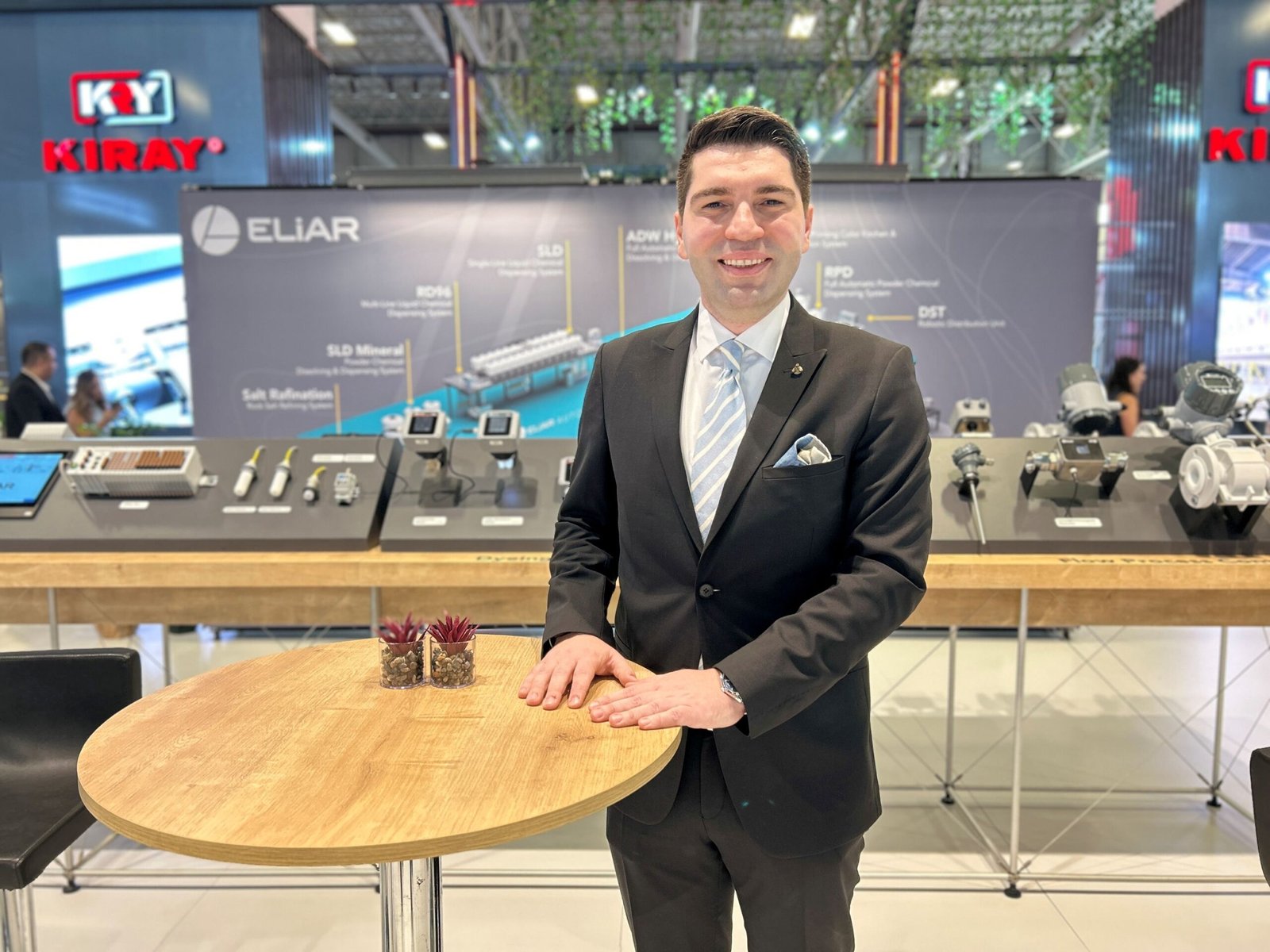

By K. Gopalakrishnan
As textile manufacturers move towards connected, data-driven production, EAS is bringing together ERP, MES, industrial automation, machinery connectivity and automated dosing systems to create a more integrated Industry 4.0 environment. Francesc López, Area Manager – India & Asia, EAS, outlines how the company is helping mills improve visibility, traceability, productivity and resource efficiency, with India emerging as a strategic market for its next phase of growth.
For more than three decades, EAS – Escarré Automatización y Servicios has focused on applying automation and digital technologies to solve practical challenges in textile manufacturing. Founded in Barcelona in 1991, the company has evolved from a specialist in industrial automation and process control into a technology partner offering production-management software, MES solutions, data acquisition, industrial connectivity, automated chemical and dye preparation systems and specialised machinery. Its solutions today operate in more than 35 countries.

According to Francesc López, Area Manager – India & Asia, EAS, the company’s evolution has been driven by a simple principle: technology must serve the production process. This philosophy is particularly relevant as textile manufacturers seek to connect increasingly complex machinery environments while gaining greater control over productivity, quality, traceability and resource consumption.
From Automation Supplier to Digital Ecosystem
EAS brings together three areas that are often managed independently: software, industrial automation and machinery.
Its portfolio includes TexDrive, a textile ERP and production-management platform; InfoTint, an MES solution covering production execution, process management, recipes, traceability and real-time factory visibility; industrial controllers and connectivity solutions; and automated systems such as TecnoDos for chemical and dye preparation and dosing.
The value, however, lies in connecting these systems. Production orders, recipes, process parameters and planning information can flow from management systems towards the factory floor, while machine status, production data, consumption, alarms and results can move back to production and management teams.

“This bidirectional flow of reliable information is what transforms Industry 4.0 from a general concept into a practical operating model,” says López.
The approach is designed to create a continuous information flow between management and production, rather than leaving data isolated in individual machines, spreadsheets, databases or paper records.
Breaking Down Data Silos
One of the biggest challenges facing textile manufacturers is not a lack of information but its fragmentation. Mills often operate with multiple machinery generations, different controllers, generic ERP systems, laboratory software and manual records.
According to López, this fragmentation creates delays, duplication, inconsistent data and limited traceability, making it difficult for managers to obtain a reliable real-time view of production.
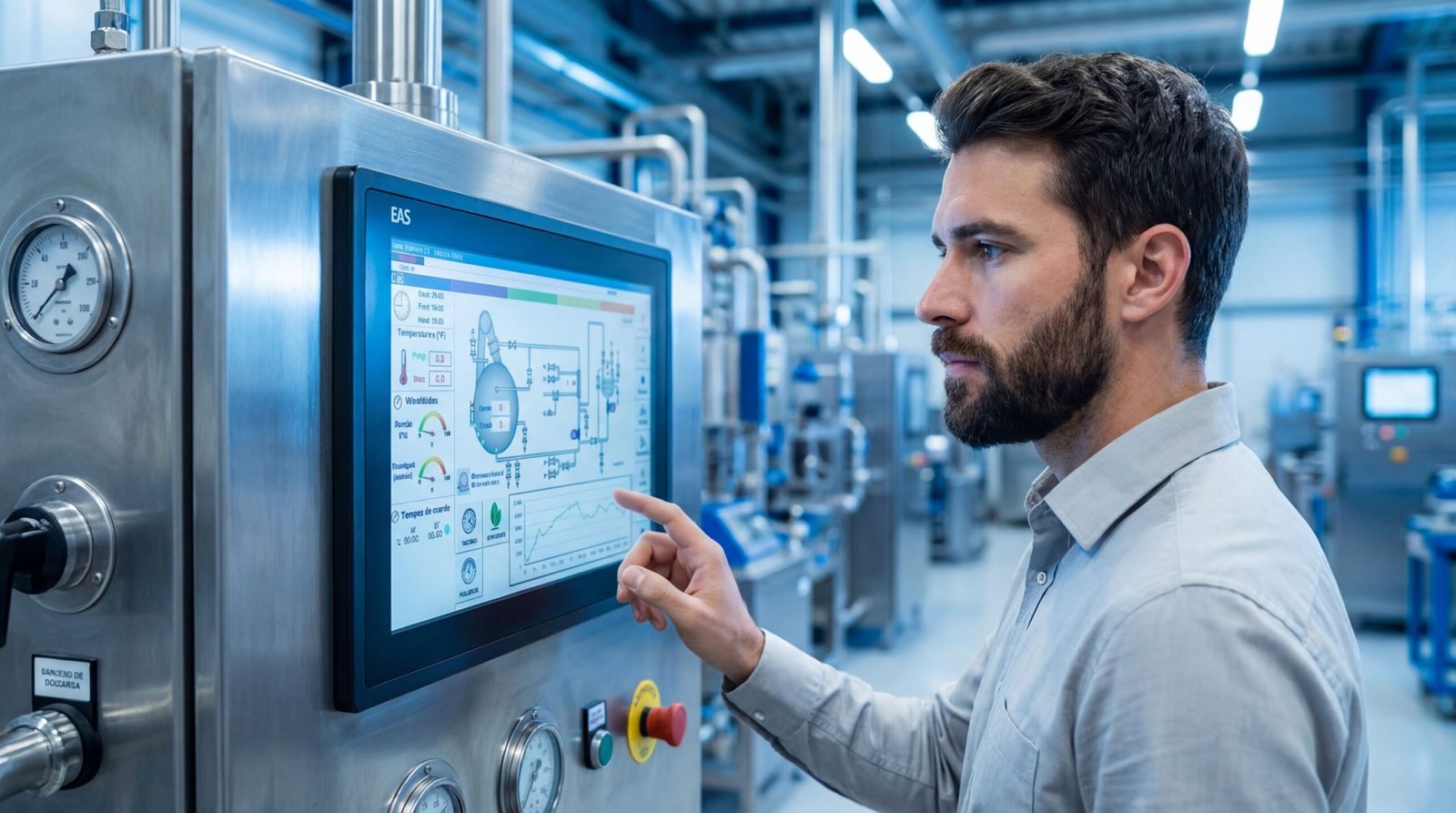
EAS seeks to establish a common information flow across these environments, providing visibility into production status, machine performance, process execution, quality, resource consumption and order progress.
“The objective is not simply to collect more data. It is to provide the right information, in the right context, and at the right time,” López explains.
This distinction is central to EAS’s approach. Digitalisation is not viewed as the accumulation of dashboards, but as a means of identifying deviations earlier, understanding their causes and enabling better decisions.
Open Integration for Complex Textile Plants
EAS differentiates itself by focusing specifically on textile manufacturing rather than applying generic automation technologies to the sector.
Its experience across machinery and systems from different manufacturers is particularly relevant to textile mills, which rarely operate a completely standardised equipment base. Existing plants typically combine machinery from multiple suppliers, different generations of controllers and various production systems.
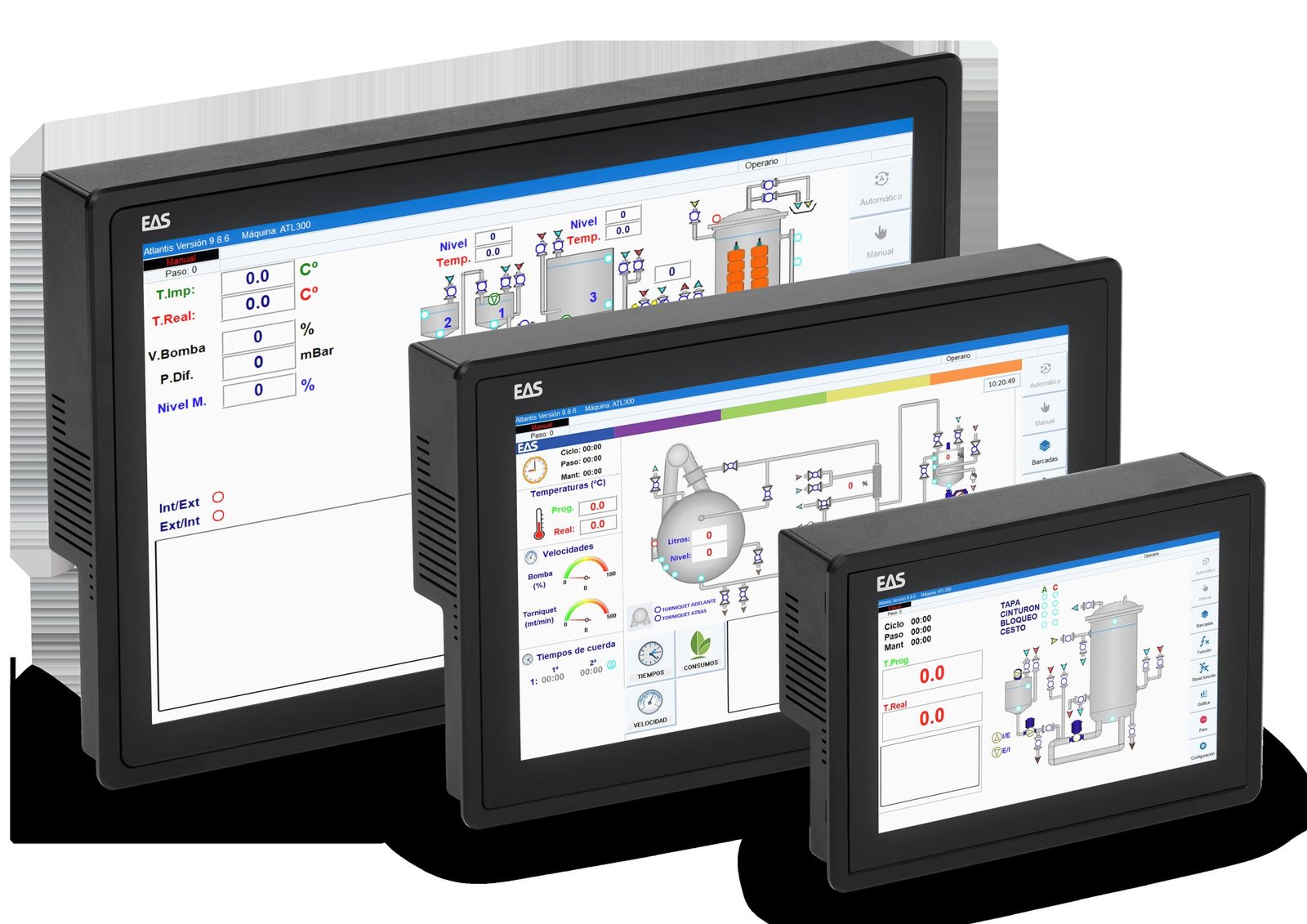
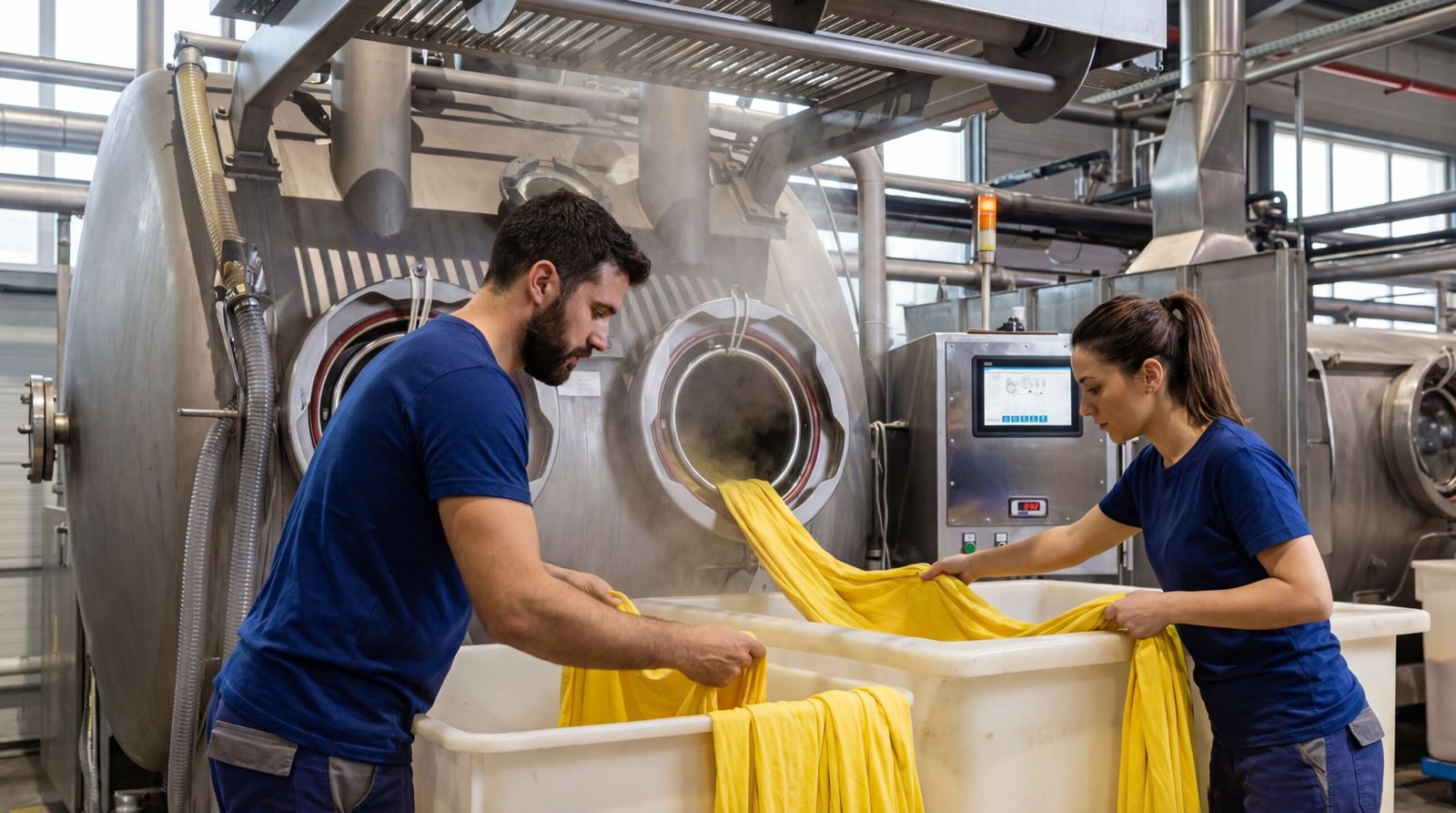
EAS provides an independent integration layer that can connect these environments, allowing manufacturers to retain valuable existing assets while progressively improving connectivity, automation and production control.
“Our focus is not technology for its own sake. We focus on measurable operational improvements,” says López, referring to better visibility, traceability, reduced manual intervention, improved resource utilisation and faster decision-making.
Connecting the Machine with Management
Machine-to-management connectivity is becoming increasingly important as textile manufacturers seek to reduce manual intervention and improve process consistency.
When machine status, production quantities, process times, stoppages, recipes, consumption and quality information are recorded manually, information can be delayed or inconsistent. Direct connectivity enables production teams to detect deviations sooner and respond before they affect quality, delivery or cost.
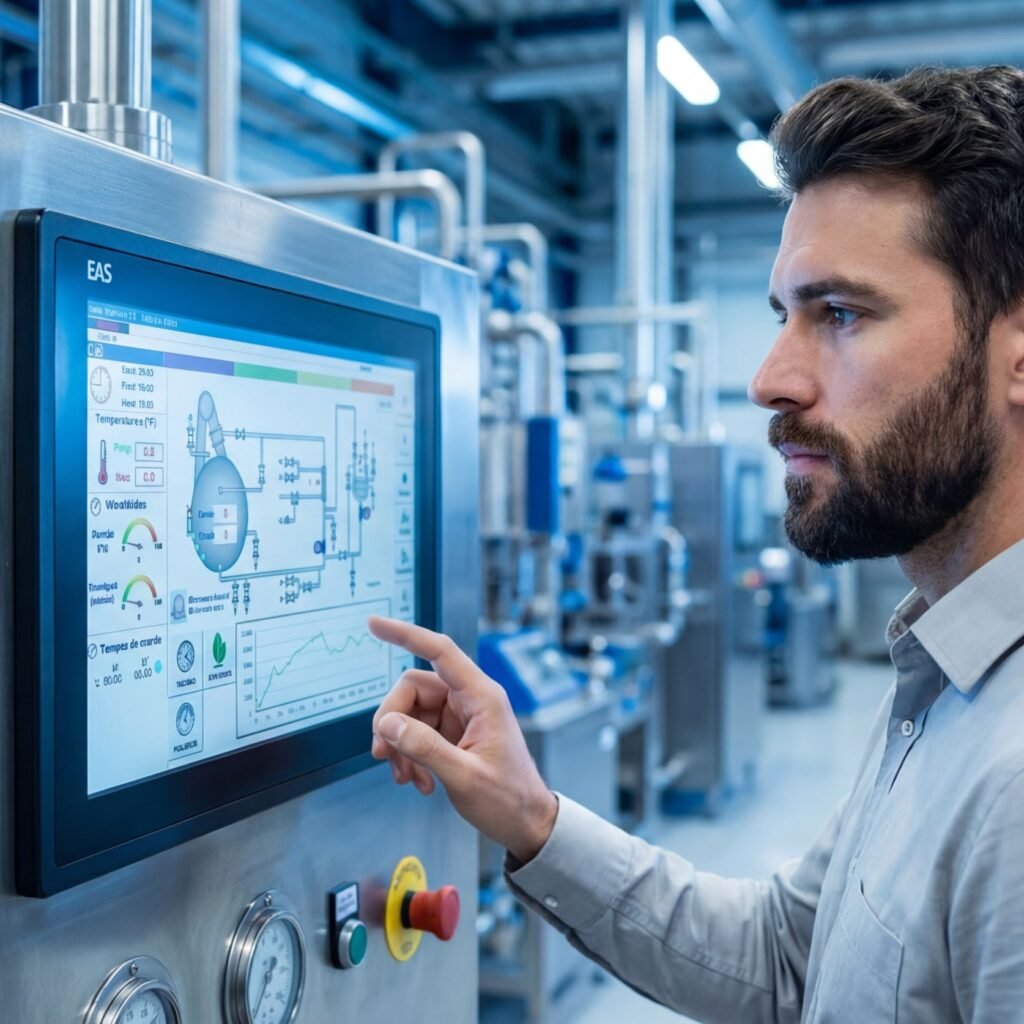
At the same time, production orders, recipes and process parameters can be transferred to machines and production systems with less manual intervention, reducing transcription errors.
López stresses that connectivity itself is not the end objective. The real value comes from structuring and contextualising the data so that it supports action.
India: A Strategic Market for EAS
Asia is central to EAS’s international growth strategy, and India occupies a particularly important position within it.
The company sees demand emerging from manufacturers at different stages of digital maturity. Some are looking for deeper machine integration, analytics and optimisation, while others are beginning with basic machine connectivity, structured production management or replacement of manual data collection.
EAS therefore favours a phased approach rather than a standardised digitalisation package. A project may begin with a specific process or production area before progressively expanding into a more integrated ecosystem.
“India is a strategic market for EAS,” says López, pointing to the country’s manufacturing scale, diversity and drive towards modernisation, international competitiveness, higher quality and better resource utilisation.
The company’s objective is to establish EAS as a long-term technology partner in India, working with manufacturers, local partners and machinery specialists. India’s diverse installed machinery base makes open integration particularly relevant.
EAS also views India as a gateway to the wider Asian textile industry.
Beyond Labour Saving: The Business Case for Digitalisation
López believes the business case for automation extends well beyond reducing labour requirements.
Automation can improve precision, consistency, safety and ergonomics, while digitalisation provides faster and more reliable production information. Metrics such as OEE (Overall Equipment Effectiveness), RFT (Right First Time) and traceability can provide deeper insight into equipment utilisation and process performance when they are based on reliable production data.
EAS’s TecnoDos automated dosing system is one example. By reducing manual chemical handling, it can improve dosing accuracy and consistency while enhancing safety and ergonomics.
The objective, says López, is not to remove people from the decision-making process, but to give operators and managers better information with which to manage production.
Digitalisation as a Sustainability Tool
For EAS, sustainability and operational efficiency are closely connected.
Reprocessing has a direct environmental and economic cost because it consumes additional water, energy, chemicals, machine capacity, labour and time. Improving RFT performance therefore reduces both resource consumption and production losses.
OEE provides another layer of visibility by identifying availability, performance and quality losses. Combined with accurate process and consumption data, these indicators help manufacturers identify inefficiencies and investigate their causes.
“Data does not reduce consumption by itself. It provides the visibility required to define actions, verify their effect, and sustain continuous improvement,” says López.
The Next Step: AI Built on Reliable Data
Looking ahead, EAS expects textile manufacturing to become increasingly connected, responsive and data-driven. Artificial intelligence, advanced analytics, predictive systems, digital twins, automation and connected machinery are all expected to contribute to this evolution.
But López cautions that AI cannot compensate for poor data foundations.
Before manufacturers can extract value from AI, they need connected machines, structured processes, reliable production records and systems capable of providing context. “AI will not replace textile experience. It will amplify the value of reliable operational data, process knowledge, and human decision-making,” he says.
For EAS, the priority is therefore to strengthen the links between ERP, MES, automation, machinery and analytics while making these technologies accessible to the people operating textile plants.
EAS at INDIA ITME 2026
INDIA ITME 2026 provides EAS with an opportunity to demonstrate this integrated approach to the Indian textile industry. Manufacturers evaluating production visibility, machinery integration, traceability, automated chemical handling or a practical digitalisation roadmap will be able to engage with the EAS team at the exhibition.
Rather than beginning with a predetermined technology package, EAS intends to start with the manufacturer’s actual operational challenges and identify a realistic, step-by-step path towards improvement.
As López puts it, after more than 30 years in the industry, “technology creates value only when it solves a real production problem.”
For textile manufacturers facing simultaneous pressures on productivity, quality, traceability, resources and costs, that principle could become increasingly important as the industry moves from isolated automation towards genuinely connected manufacturing.