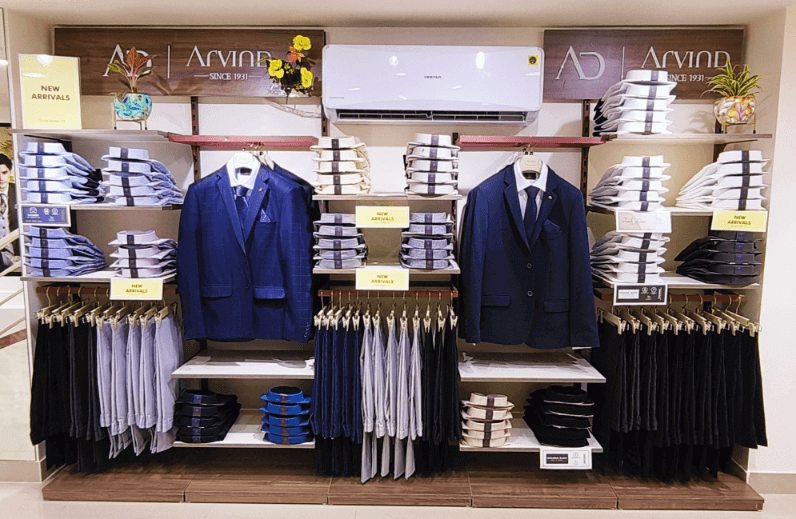

In an era where textiles, apparel, and product categories are shaped as much by economics and ecosystems as by creativity, design studios are being challenged to move beyond surface-level aesthetics. At this intersection of design, manufacturing, and market intelligence, stands JLX Studio, founded by Jeevan L Xavier, who also serves as Director at Explorinno.
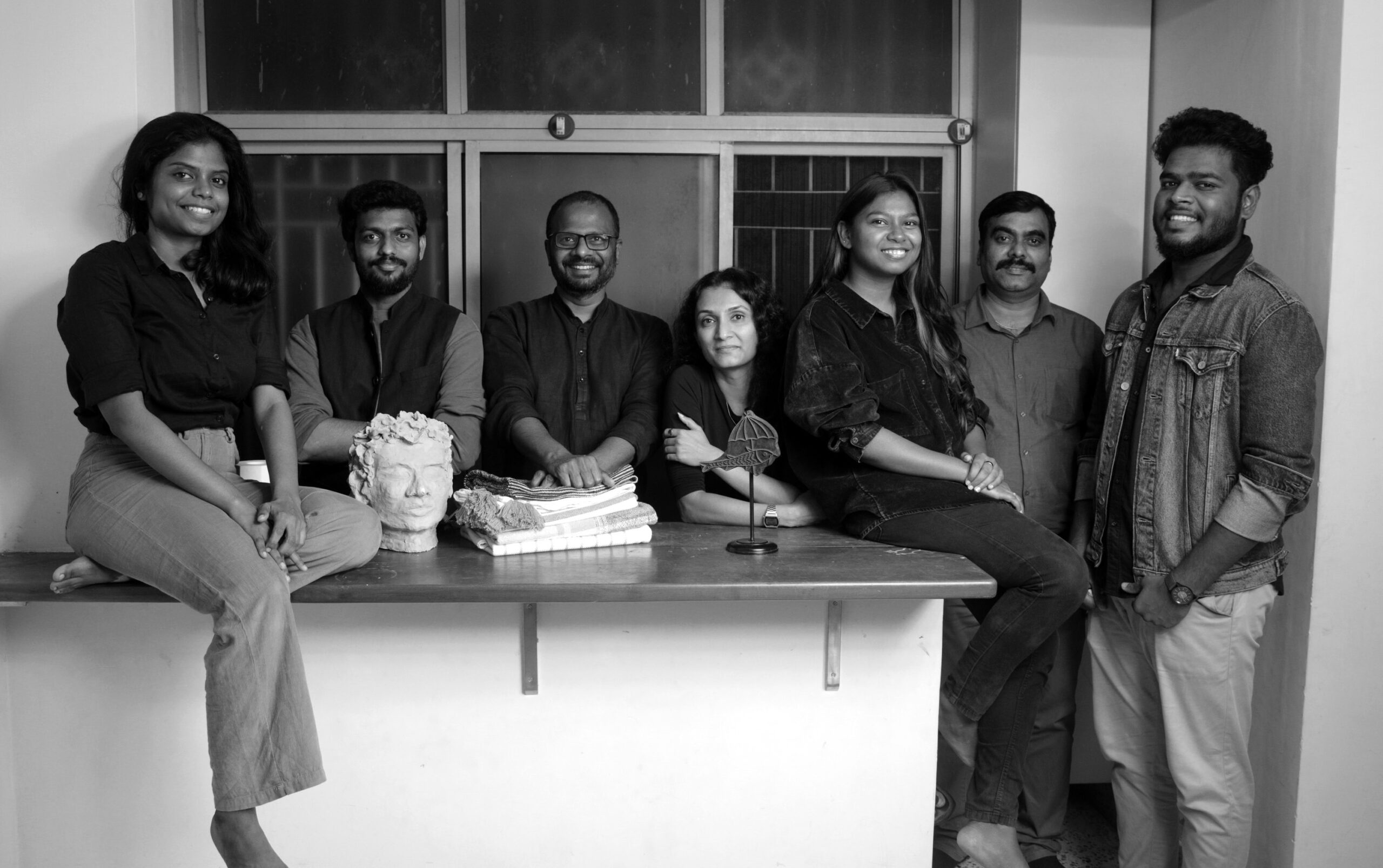
Positioned as a design-first consultancy with deep manufacturing and commercial understanding, JLX Studio works across textiles, apparel, home textiles, and technical textiles. In this interaction, Jeevan L Xavier articulates a philosophy where design is not an isolated creative act, but a strategic system one that responds to business intent, operational realities, and evolving consumer identities.
Design as Strategy, Not Decoration
At JLX Studio, design begins long before sketches or samples are created. The starting point is always the client’s business context leadership vision, financial realities, market positioning, and the ecosystem in which the product must succeed.
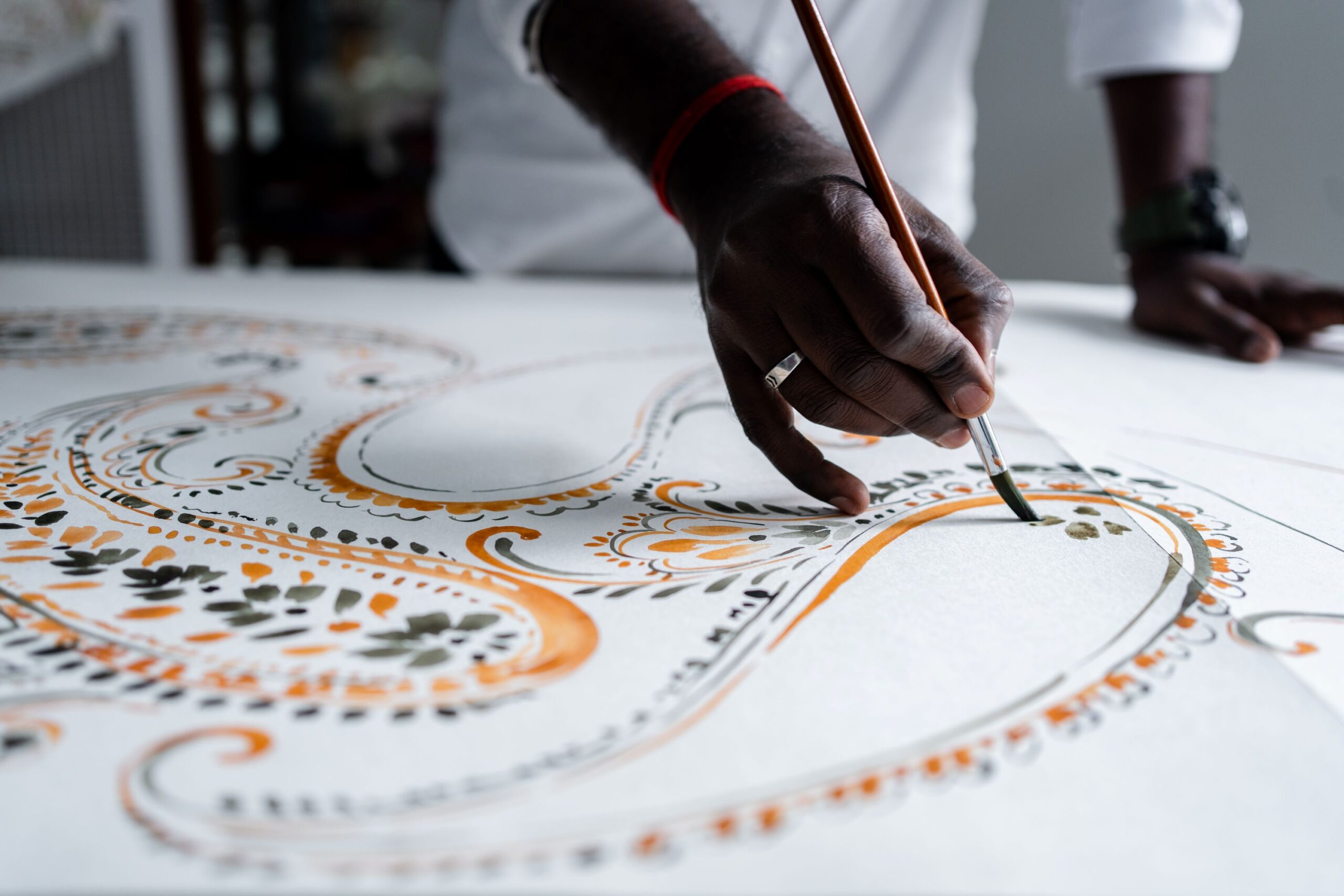
Jeevan is clear that design is not an aesthetic indulgence. It is a business tool. What JLX Studio chooses to design, and equally what it consciously avoids designing is dictated by business requirements. A product developed for a digital-first babywear brand, for instance, carries very different design metrics from one intended for a physical mother-and-child retail format. Similarly, the design priorities of a vertically integrated manufacturer differ fundamentally from those of a cluster-based operation.
In today’s textile and apparel ecosystem, where manufacturers often extend long credit cycles and indirectly fund retail growth, the boundaries between manufacturing and retail are increasingly blurred. JLX Studio responds to this reality by embedding economic logic into design thinking. Aesthetic intent, material intelligence, process feasibility, and costing evolve simultaneously, ensuring that beauty emerges within constraints rather than in isolation from them.

Translating Market Intelligence into Commercial Design
In fast-moving global markets, the success of a product often depends on how well abstract market signals are translated into tangible design outcomes. At JLX Studio, this translation begins with deep listening across buyers, sourcing teams, factory floors, media, and industry stakeholders.
Jeevan notes that market challenges rarely arrive as clearly defined problems. Instead, they surface as layered, evolving signals. By working closely with sourcing, procurement, merchandising, and shop floor teams, JLX Studio uncovers opportunities that are often invisible from a distance.
This collective intelligence shapes product intent guiding decisions on materials, range architecture, and SKU strategy. When design intent is aligned with operational and market realities, the results are faster sell-through, healthier supply chains, SKU-level profitability, and repeat orders. For JLX Studio, repeat business is the ultimate validation of commercially relevant design.
Designing for Function, Performance, and Constraints
While fashion and home textiles often allow for expressive flexibility, technical textiles and performance-driven products introduce an entirely different set of demands. Here, design must coexist with strict standards, specifications, and performance benchmarks.

JLX Studio approaches technical textiles by first immersing itself in technical parameters raw materials, regulatory requirements, and process capabilities. Collaboration with niche vendors and subject-matter experts becomes essential. Yet Jeevan emphasizes that this shift does not require a new design philosophy.
Constraints have always been central to JLX Studio’s methodology. Performance metrics simply add another layer of discipline. In fact, the studio actively welcomes constraints, seeing them as catalysts that sharpen innovation and clarify design intent. Whether designing for apparel, home, or technical applications, the lens remains systemic, with function, form, and feasibility evolving together.
A Research-Led, Collaborative Design Process
One of the defining characteristics of JLX Studio’s work is its rejection of preconceived solutions. Each engagement is treated as unique, requiring an open and exploratory mindset.
The process begins with intensive listening and observation, understanding not just the client’s expectations, but the ecosystem in which the product will exist. Initial design directions are deliberately kept fluid, allowing them to evolve through continuous testing and refinement. Clarity, when it arrives, is seen not as the end point but as the starting line for execution.
Jeevan underscores that design success is not a one-time achievement. It must be repeatable, scalable, and adaptable across markets and timelines. What works for one brand, geography, or season may not translate directly to another. JLX Studio therefore operates within clearly defined time and cost parameters, constantly recalibrating solutions to remain relevant.
Collaboration is treated as a system rather than an assumption. Open communication, mutual trust, and long-term partnerships are built deliberately, enabling design solutions that are not only innovative but sustainable over time.
Design as a Carrier of Brand Identity
In crowded global markets, differentiation is no longer achieved through logos or surface styling alone. At JLX Studio, brand identity is understood as something embedded deep within products expressed through material choices, proportions, repeat systems, and consistency of decisions.
Every brand, Jeevan explains, is like an individual with a distinct character. That character is often subtle, layered, and not immediately visible. The role of the designer is not to impose an external identity, but to uncover and translate these inherent qualities into tangible products.
When this translation is done with sensitivity and consistency, products begin to communicate a coherent story. Over time, this builds recognition, trust, and long-term brand value far more durable than trend-driven visual differentiation.
The Future of Textile and Product Design
Looking ahead, JLX Studio sees a decade defined by increasing fragmentation in consumer behavior. While global trends continue to exist, identity-based consumer groups, particularly among younger generations, are becoming more influential. These consumers are shaped less by mainstream references and more by cultural tribes, communities, and shared values.
As a result, consumption patterns will become more polarized. Functional basics will need to deliver impeccable quality, fit, and performance, leaving no room for compromise. At the other end of the spectrum, expressive products will carry stronger cultural narratives and identity-driven meaning.
In this evolving landscape, design must become more collaborative and inclusive. The future lies in systems that integrate multiple voices, disciplines, and perspectives, balancing function, expression, and responsibility. For JLX Studio, the challenge and opportunity lie in building such systems, where design serves not just markets, but people and the contexts in which they live.
JLX Studio represents a growing shift in the design world, away from isolated creativity toward integrated, research-driven, and business-aligned design systems. Under the leadership of Jeevan L Xavier, the studio demonstrates how design can operate as a strategic lever across textiles, apparel, home, and technical products.
By grounding aesthetics in constraints, embedding market intelligence into product development, and treating collaboration as a long-term system, JLX Studio is helping brands and manufacturers create products that are not only relevant today but resilient for the future. In a world of increasing complexity and differentiation, this design-first yet business-aware approach may well define the next chapter of textile and product innovation.